Tags
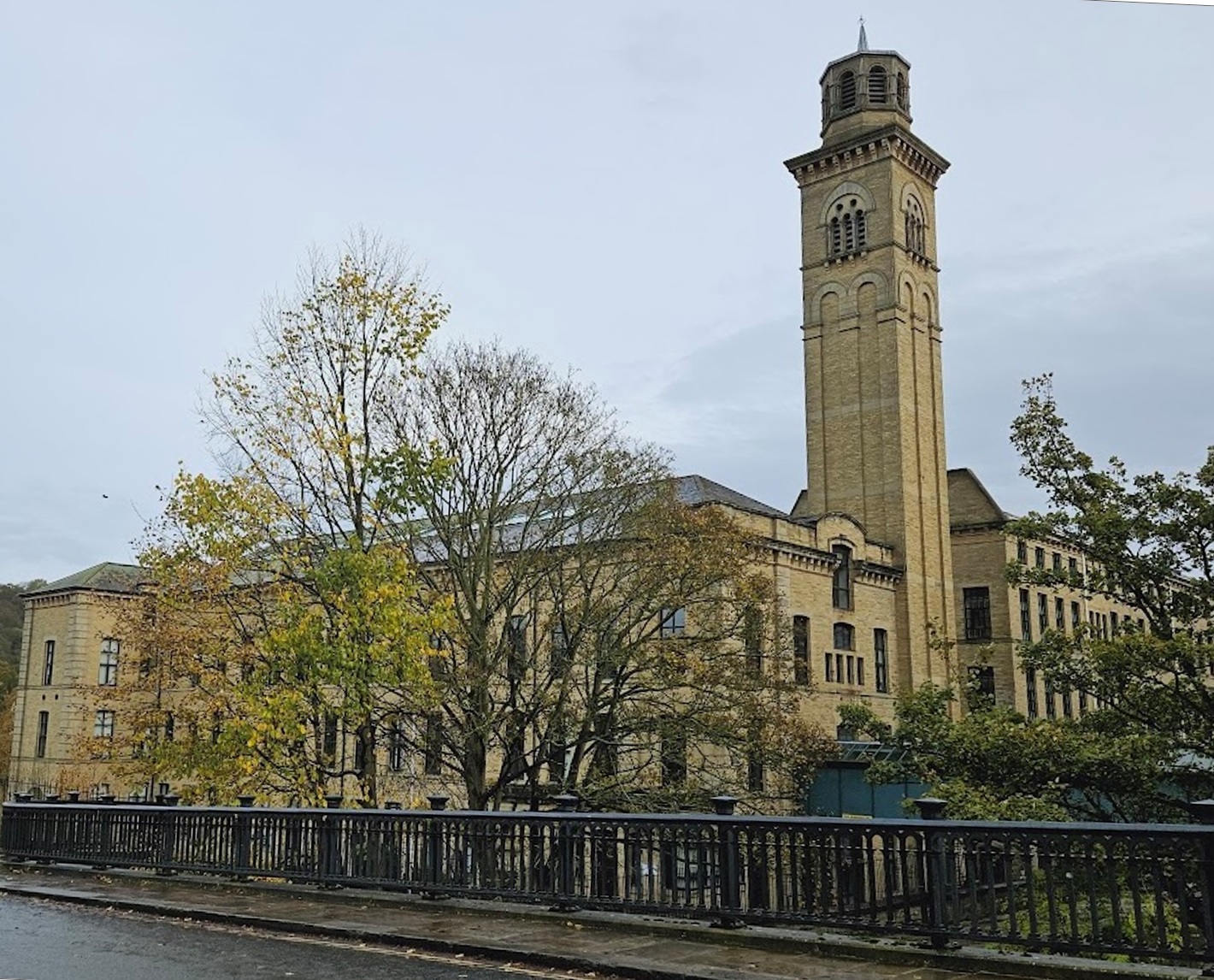
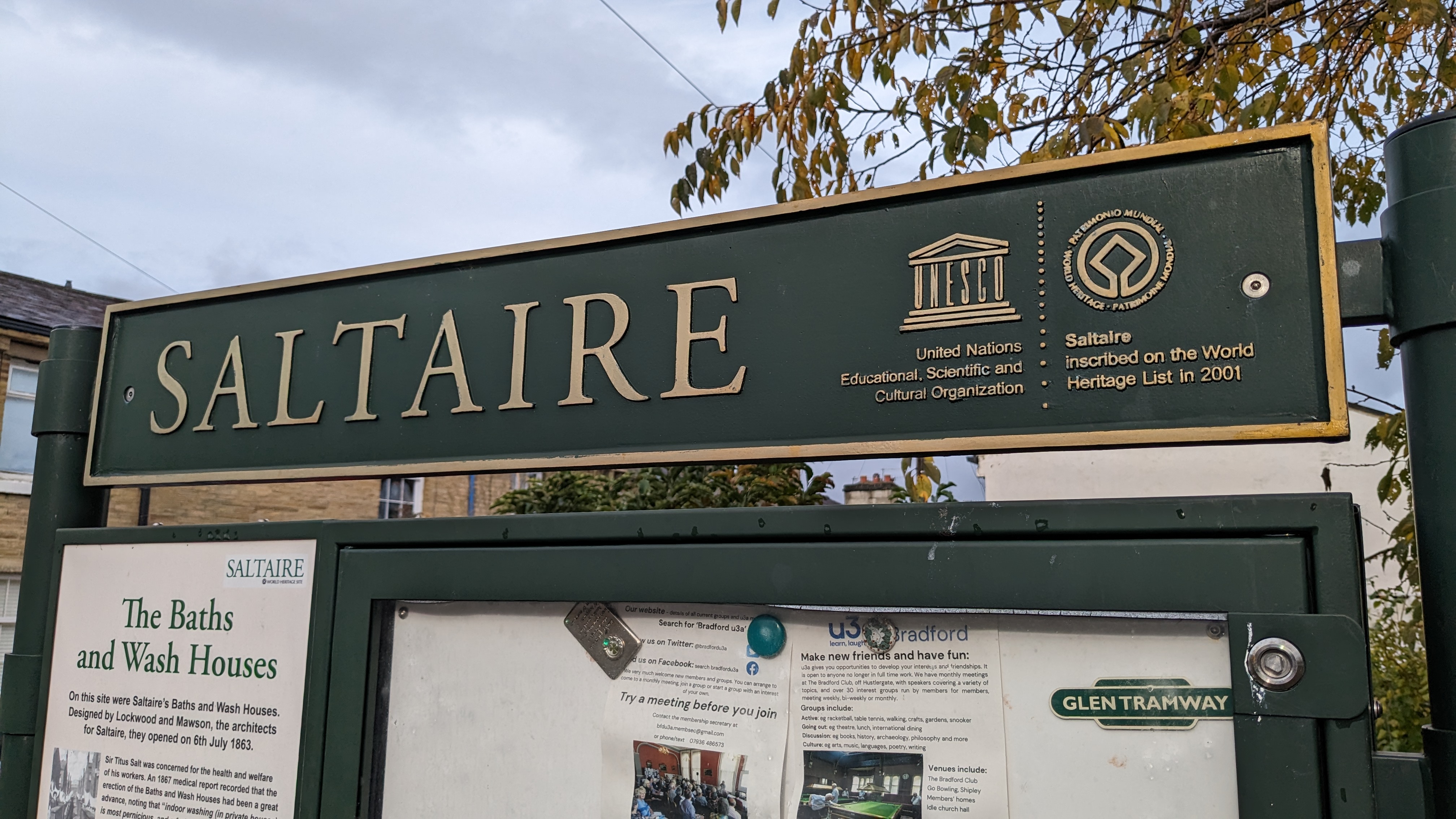
If you know your nineteenth century social and economic history, you’ll know all about Sit Titus Salt and his model town and mill, built on the banks of the river Aire, just three miles north-west of Bradford. So significant is/was Saltaire is that it now enjoys UNESCO World Heritage Site status.
I don’t intend to write out the history of the place, but here is a link to its Wikipedia entry, should you feel the need to read into things a little.
We decided on run out there because we’re both interested in social history, and of it course it offers some insight into the lives of my ancestors who lived in that part of the world at the time Salt’s mill was running. I was feeling very happy that we were able visit, actually.
The drive took us through Bradford, sister city to Leeds, and historically the centre of the British woolen industry. Like Leeds, it’s going through some major regeneration, but some of the old soot-blackened buildings remain, hopefully to be repurposed rather than pulled down. I’d never been to Bradford, so that was a tick in the box for me.
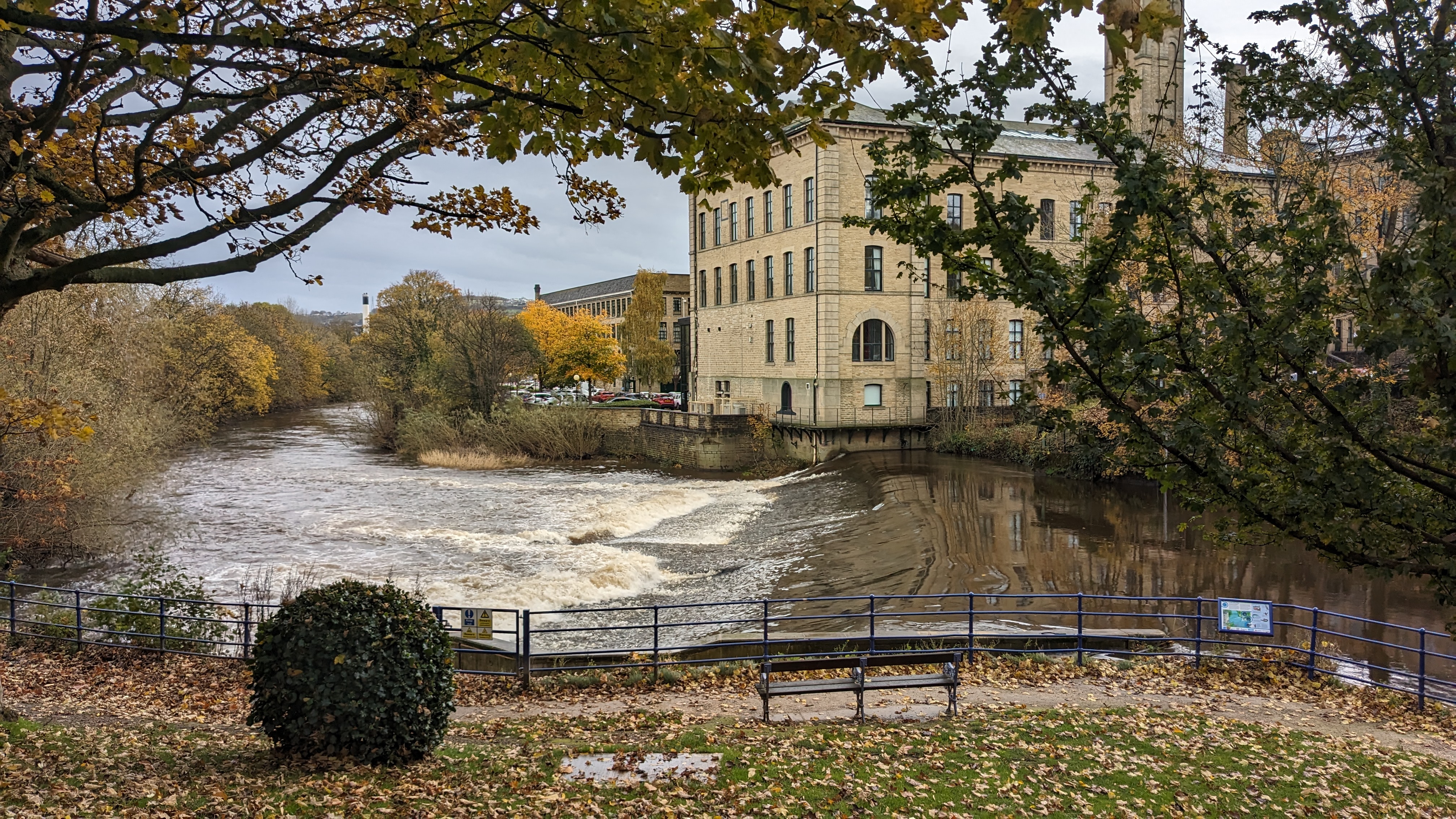
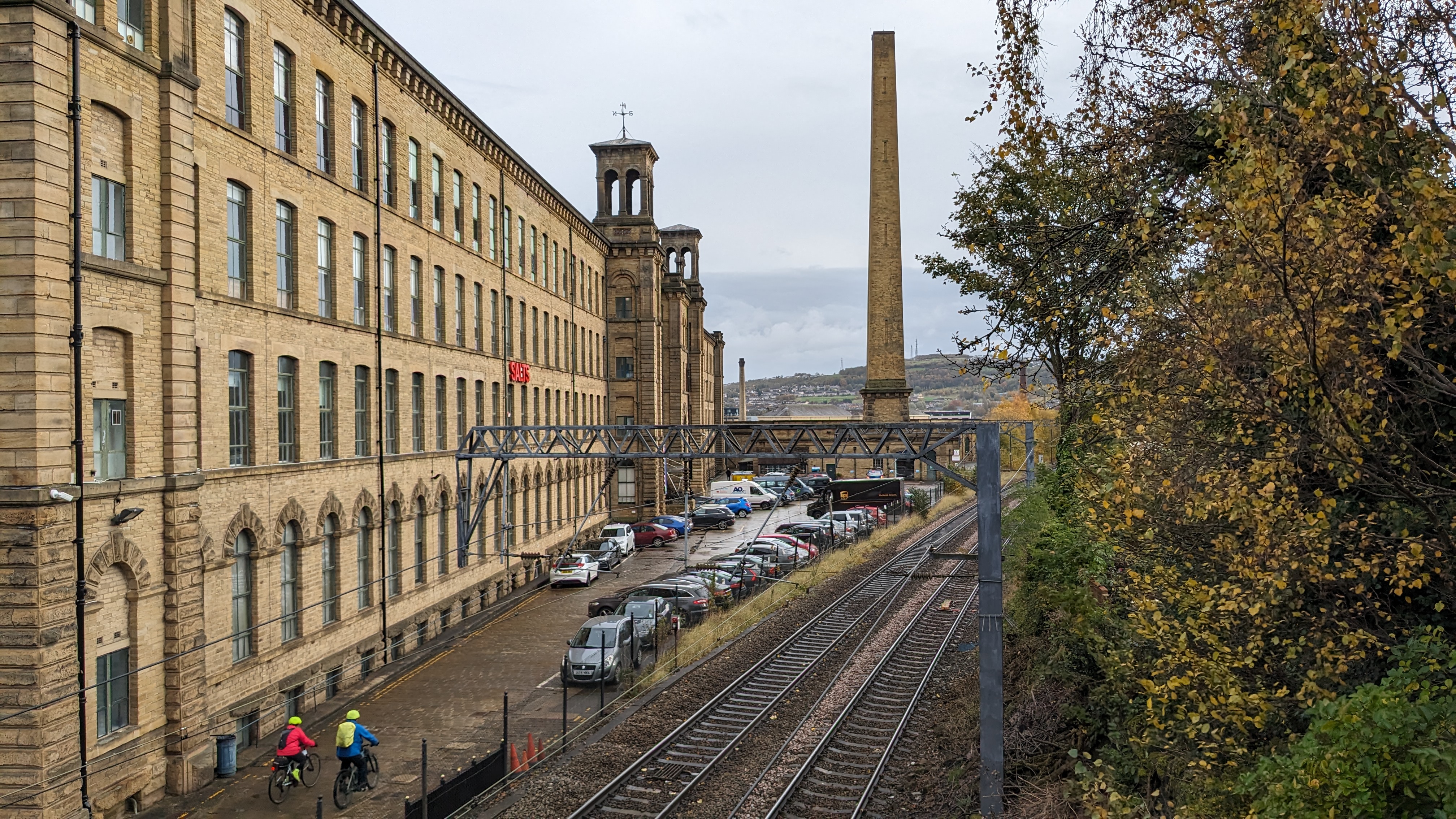
The mill at Saltaire has been repurposed, or at least parts of it have. It’s absolutely enormous, being the first mill to bring all the manufacturing aspects of cloth production under one roof, so there’s a lot of space to fill. I had imagined that it would be shops and offices, and indeed there are retail outlets and offices, but there are also exhibition and performance spaces, as well as very popular restaurant. All these things are required to keep the mill from falling into disrepair, and it was the life’s work of Leeds businessman Jonathon Silver to bring the place back to life. We’ve a lot to thank the (sadly now departed) Mr. Silver for, not least in his friendship with the artist David Hockney, because the mill now contains the largest collection of Hockney works in a single place. I may be a bit of a Philistine when it comes to art, but I appreciate seeing the real thing when I can.
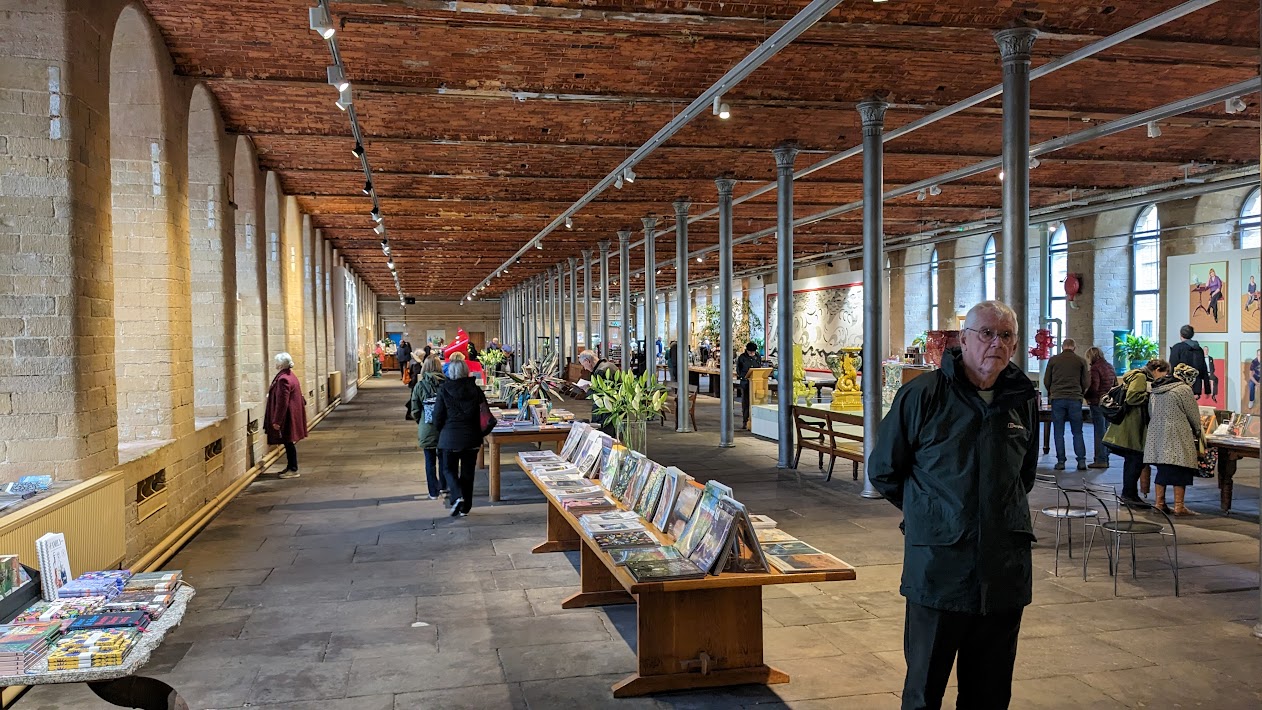
The big machine halls are impressive spaces, and I always try to imagine what they might have been with the machinery installed and running. I think noisy might be one descriptor. It’s easy to dismiss the modern uses the mill is being put to, especially given that it was the world’s centre for the production of quality Worsted cloth, but without the modern use, the mill might not exist any more. We had a browse around, tried to picture the thousands of people working there, and generally appreciated the mill for its significance, past and present. We also watched a very slick video about how the mill was built, and how its been brought back to life, which was worth our sitting down to watch.
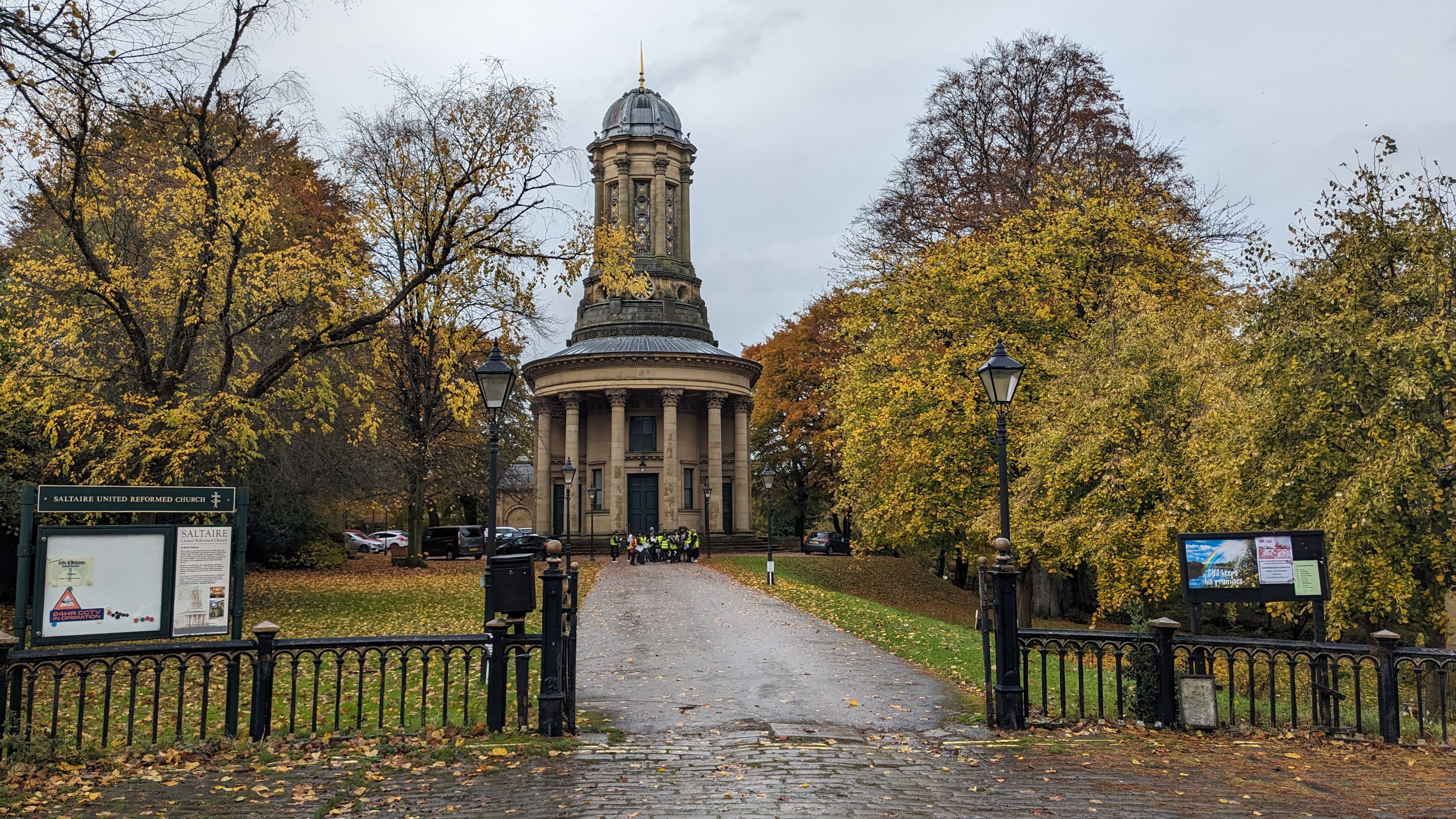
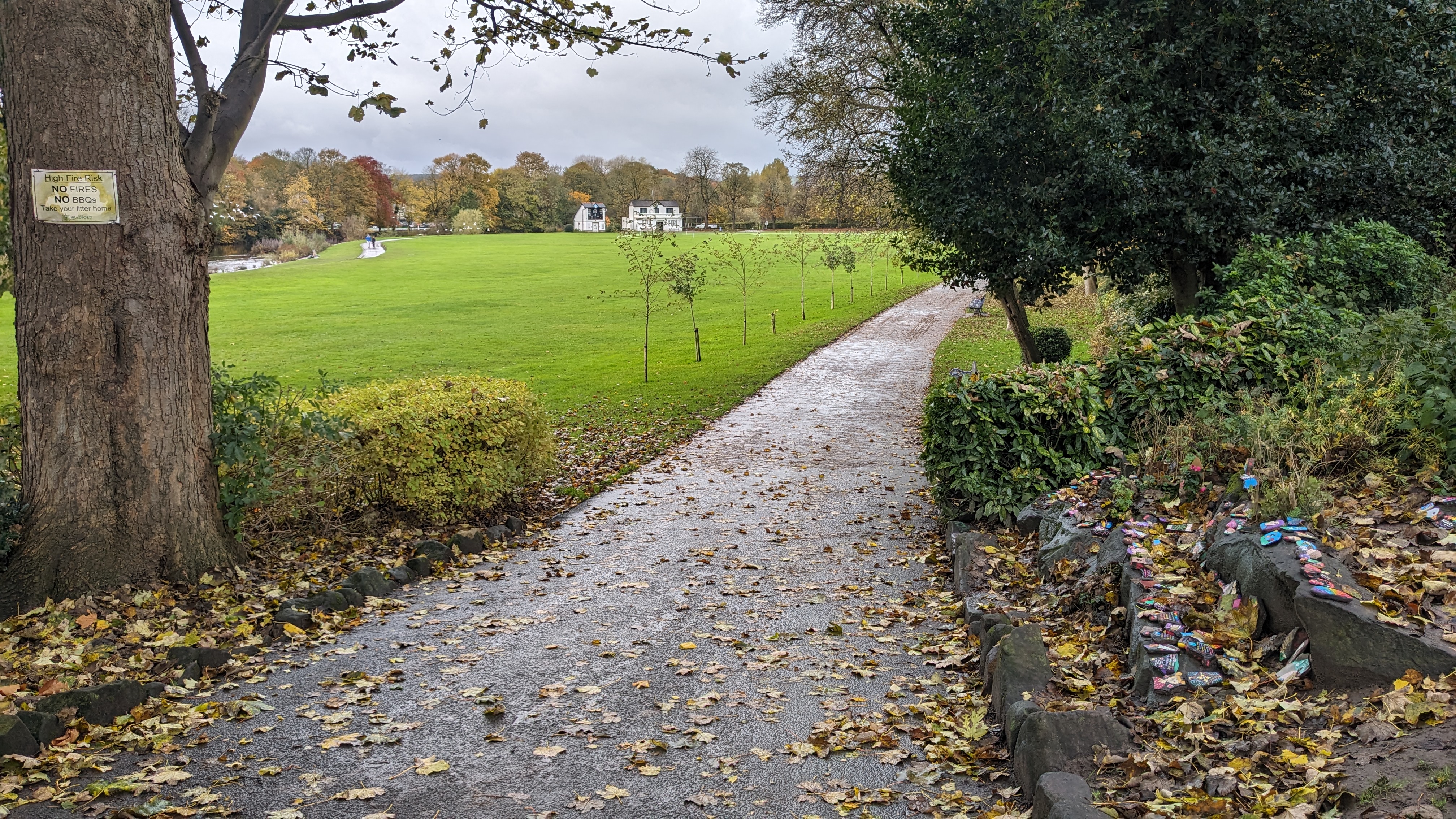
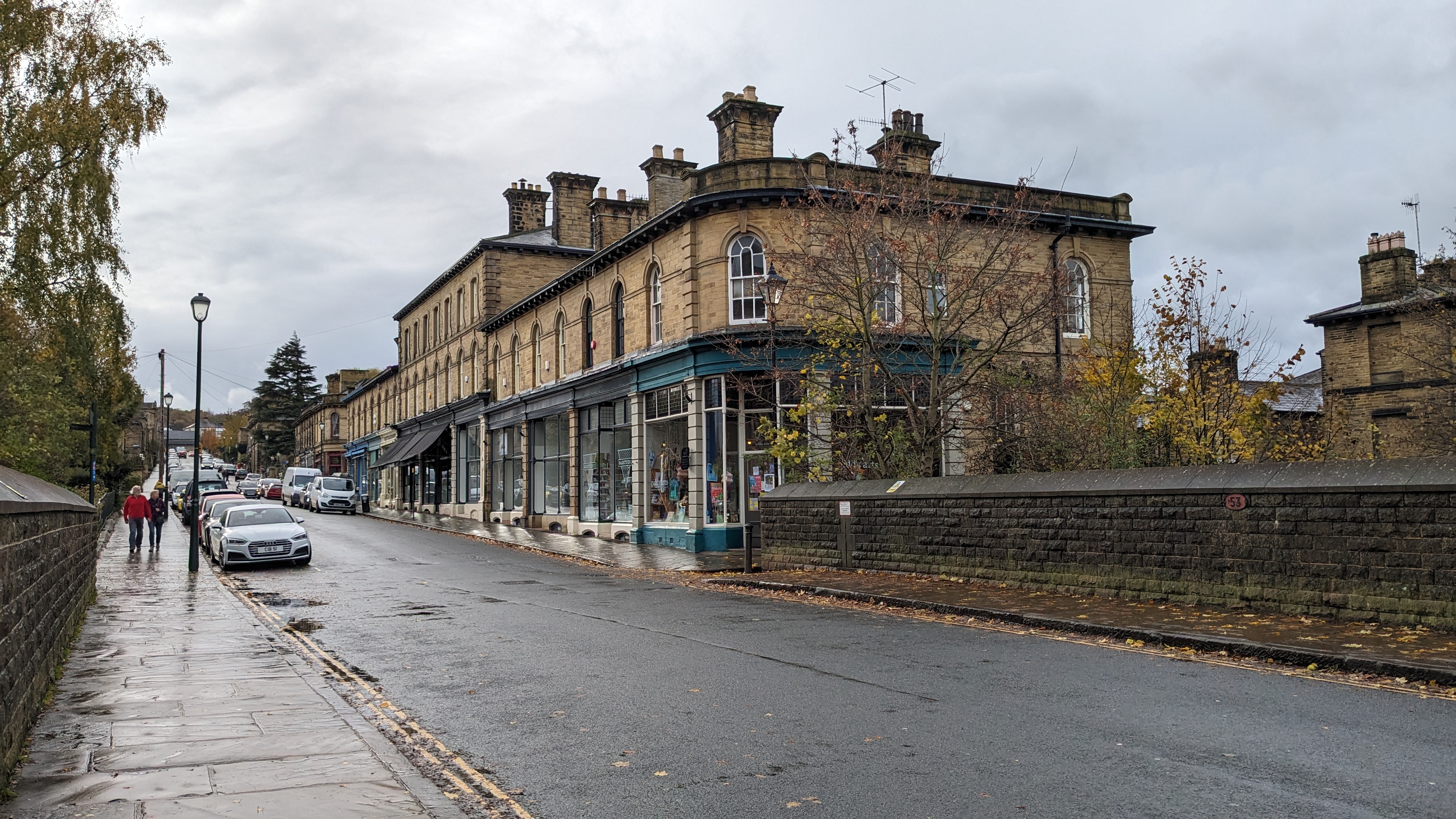
The other side of Saltaire is the model town. The jury is out on whether Salt was a true philanthropist, but he certainly understood the plight of tens of thousands of workers in Bradford who lived in absolutely squalid conditions in the nineteenth century. Initially he brought workers to the mill from Bradford on the train each day, but ultimately he constructed an entire town of modern (for the time) housing for his workers, complete with gardens, sewers and running water. There were shops built, a communal bath and laundry house, a grand church, a town hall, a couple of schools, a hospital, and all manner of recreational facilities, including a park and boating and swimming area in the river. All of this was a world away from the squalor of Bradford and Leeds, of course, and broke the mould when it came to workers’ welfare.
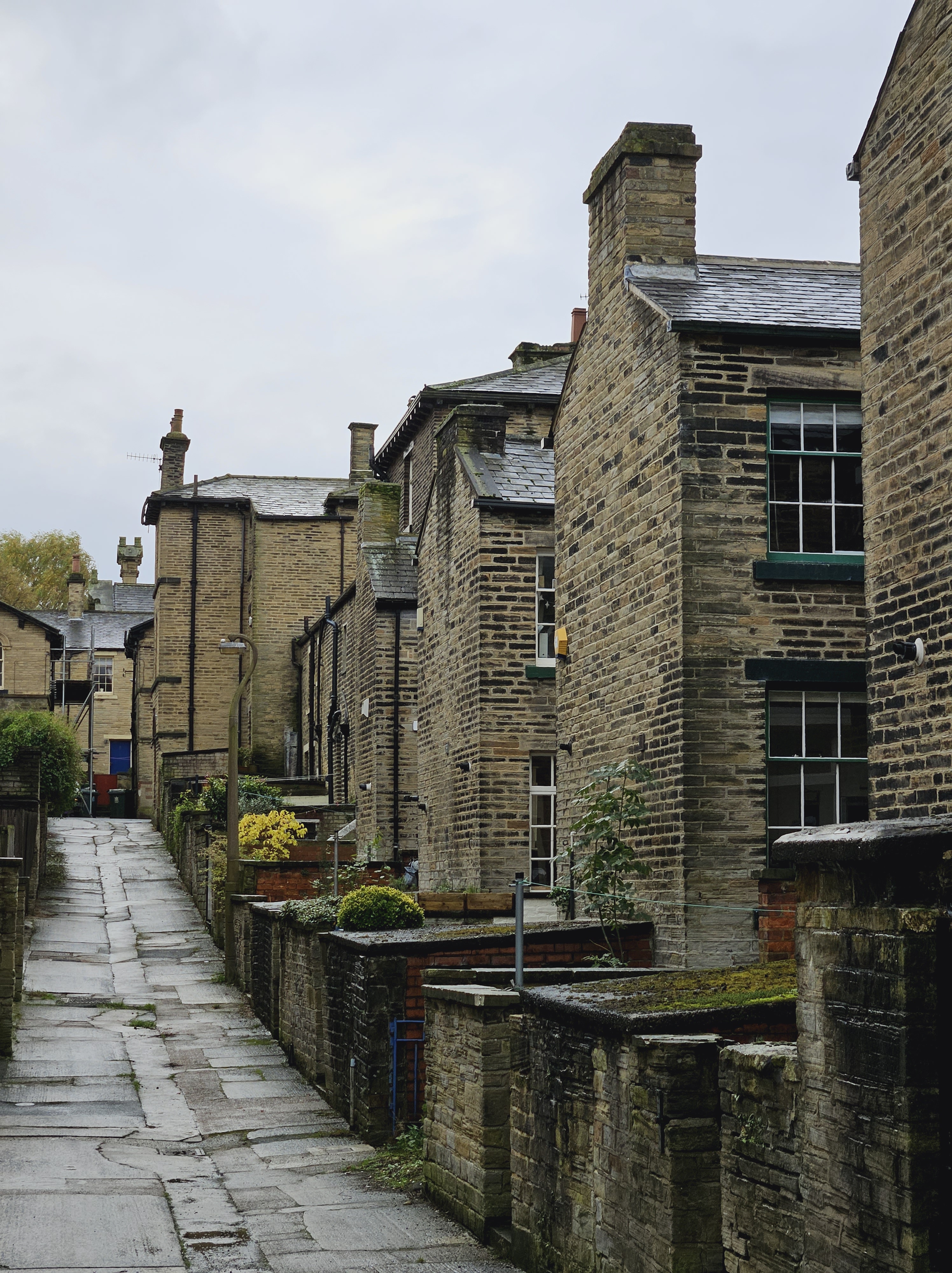
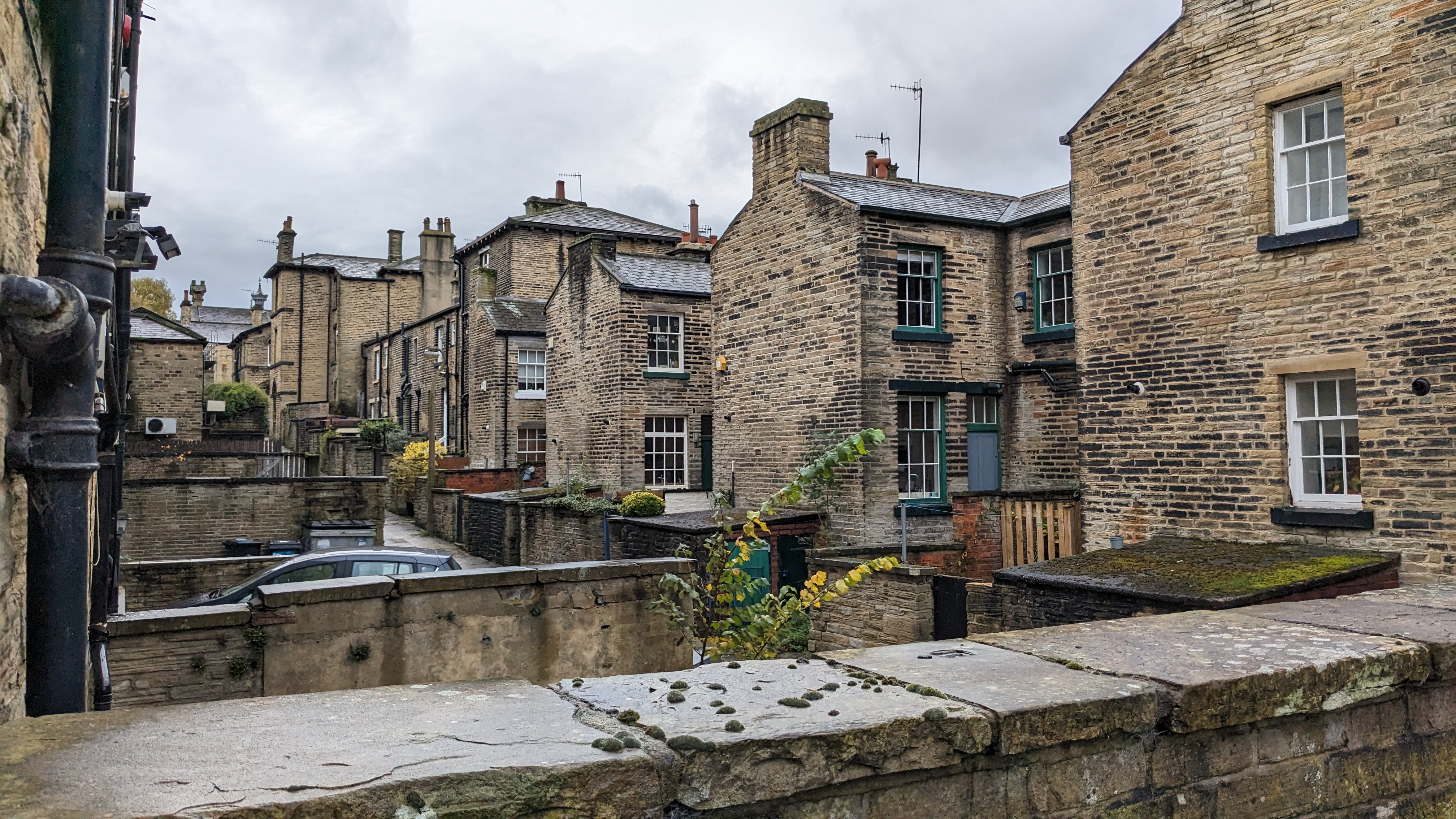
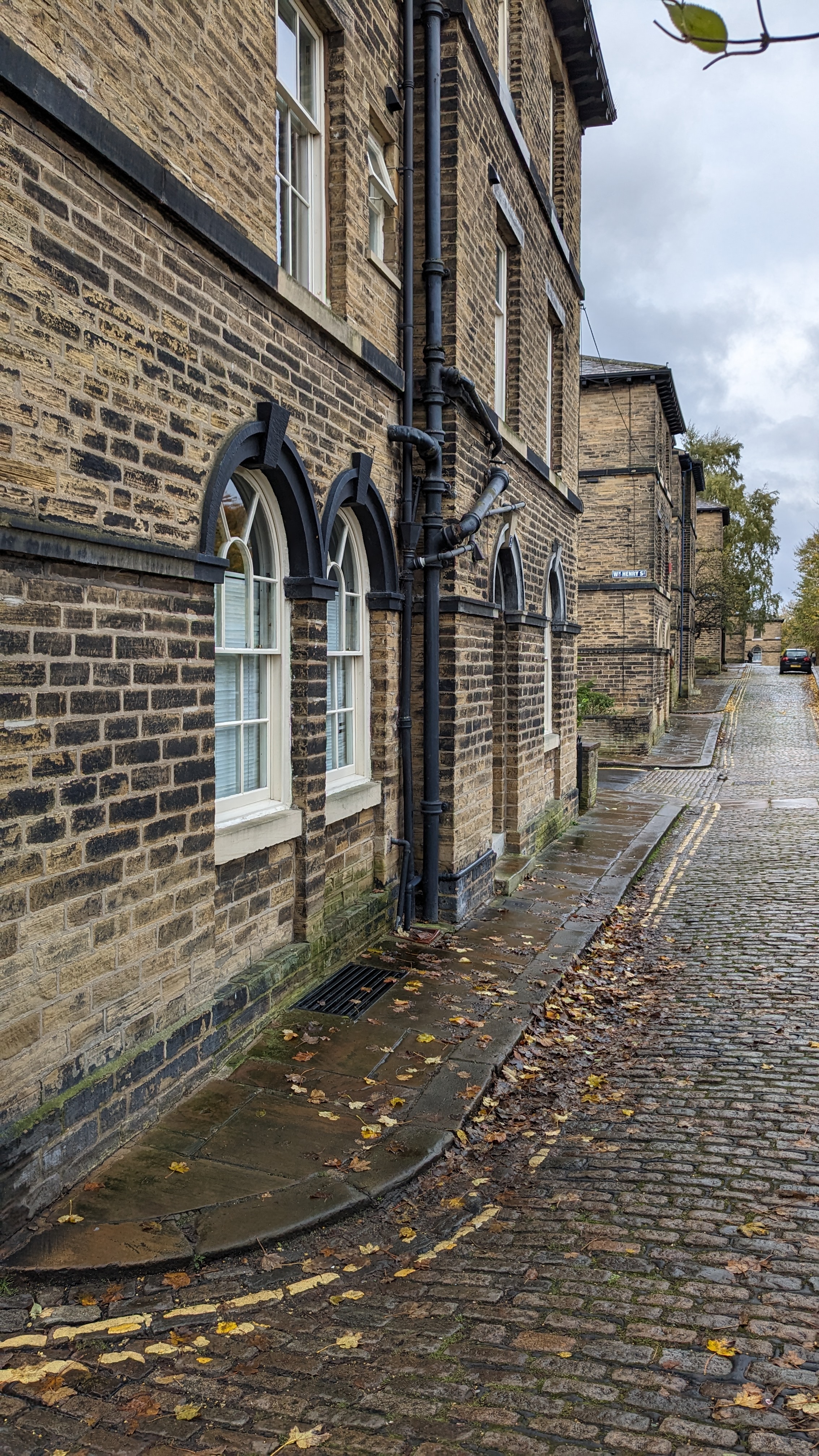
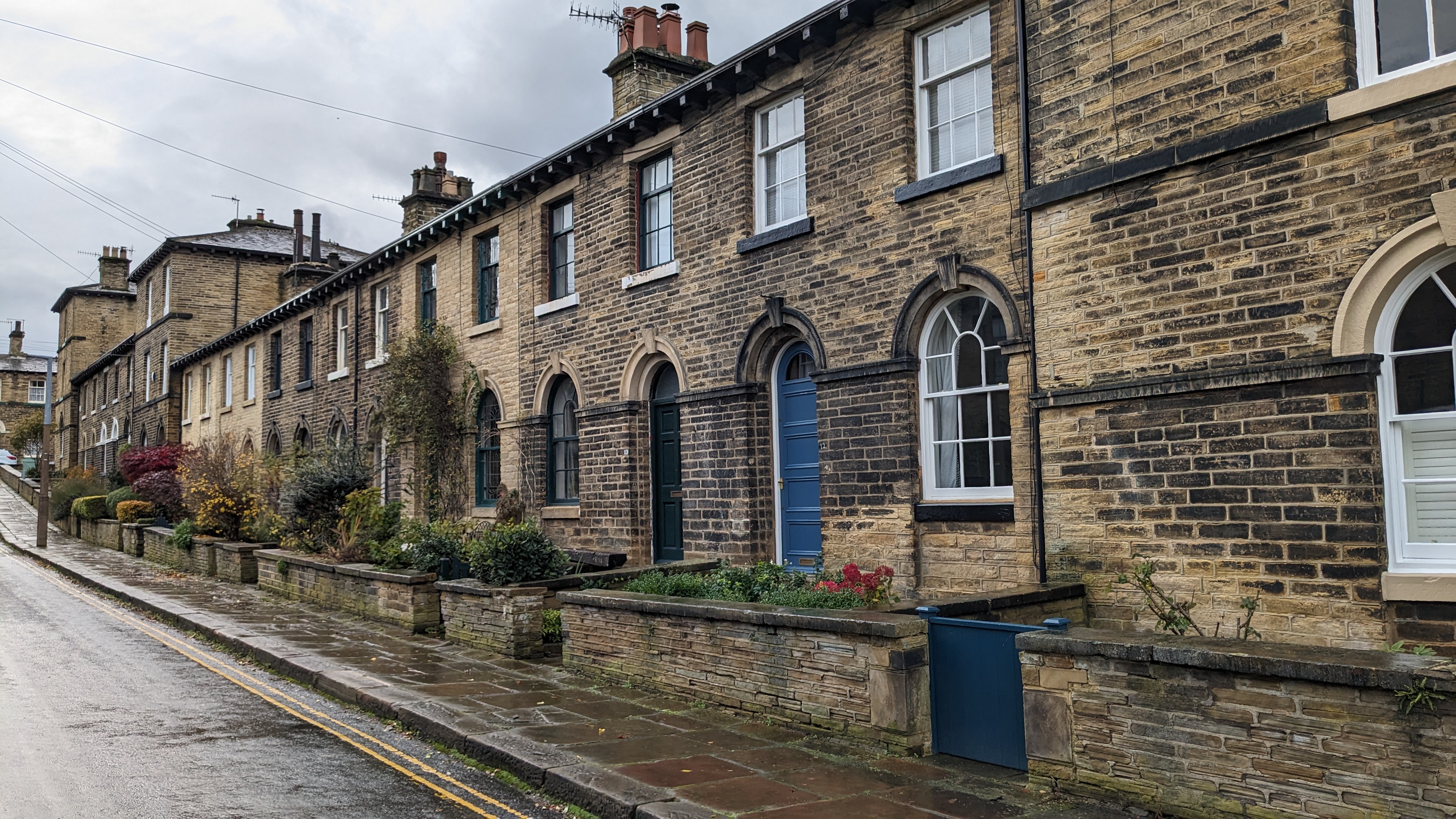
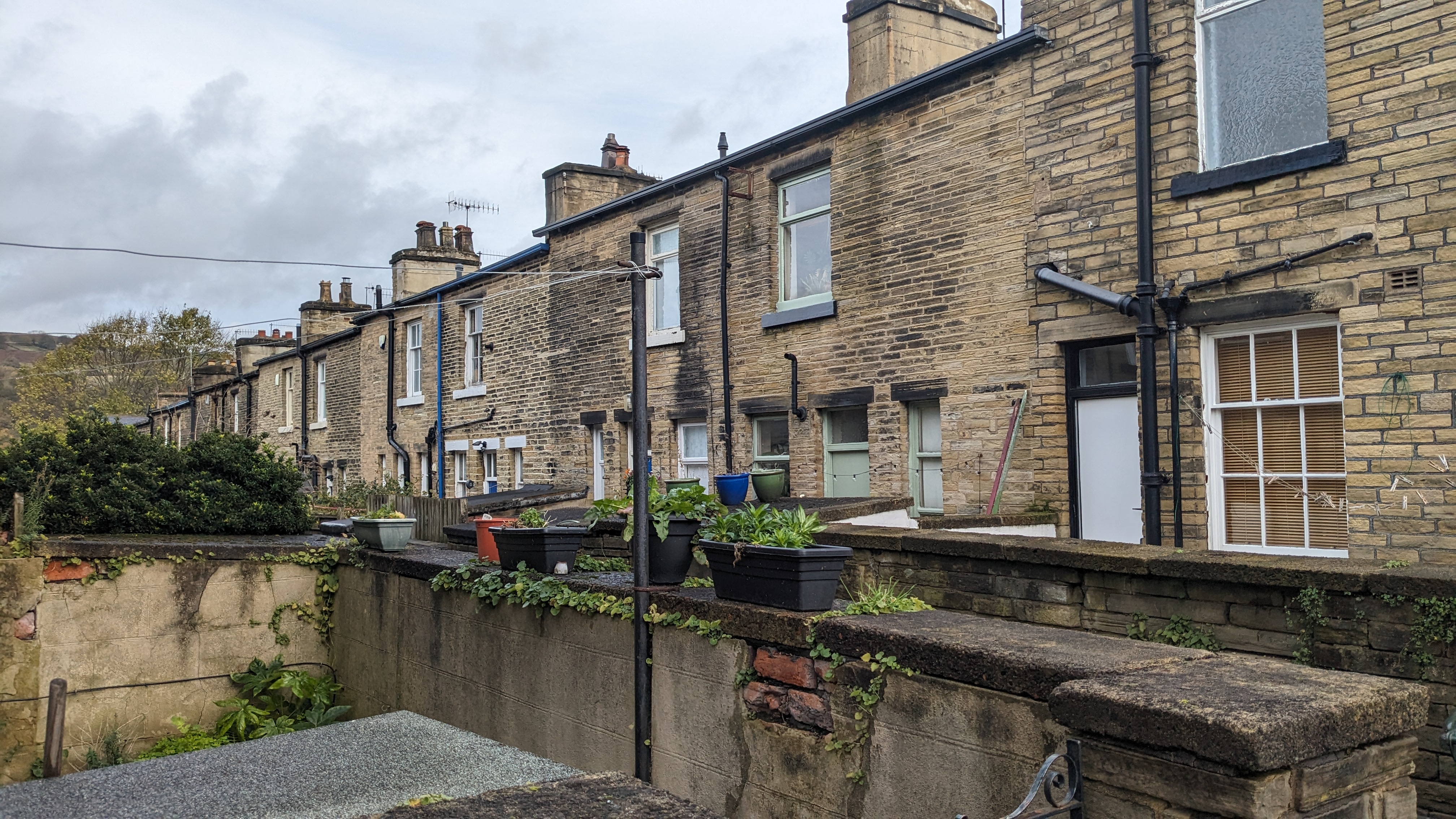
While Salt had owned the whole town, renting the houses to his workers, all of the houses are now in private hands and are Grade II listed to ensure that they remain as part of Salt’s legacy. We spent quite a while wandering the streets, all named for Salt’s children and grandchildren, admiring the sturdy houses (although sometimes wincing at some of the modern “improvements”), and generally feeling very lucky to have had the opportunity to visit. Indeed, we went as far as to find out how much a house might cost to buy today, and the prices were quite reasonable. They’re small, though, and the Grade II listing will limit the price, but what a wonderful place it would be to live.
I almost forgot to mention that the main school that Salt constructed for the children of his workers is still being used as a Sixth Form College today. Indeed, the streets were flooded with students when it was lunchtime, which made the place seem far more than simply a World Heritage Site.
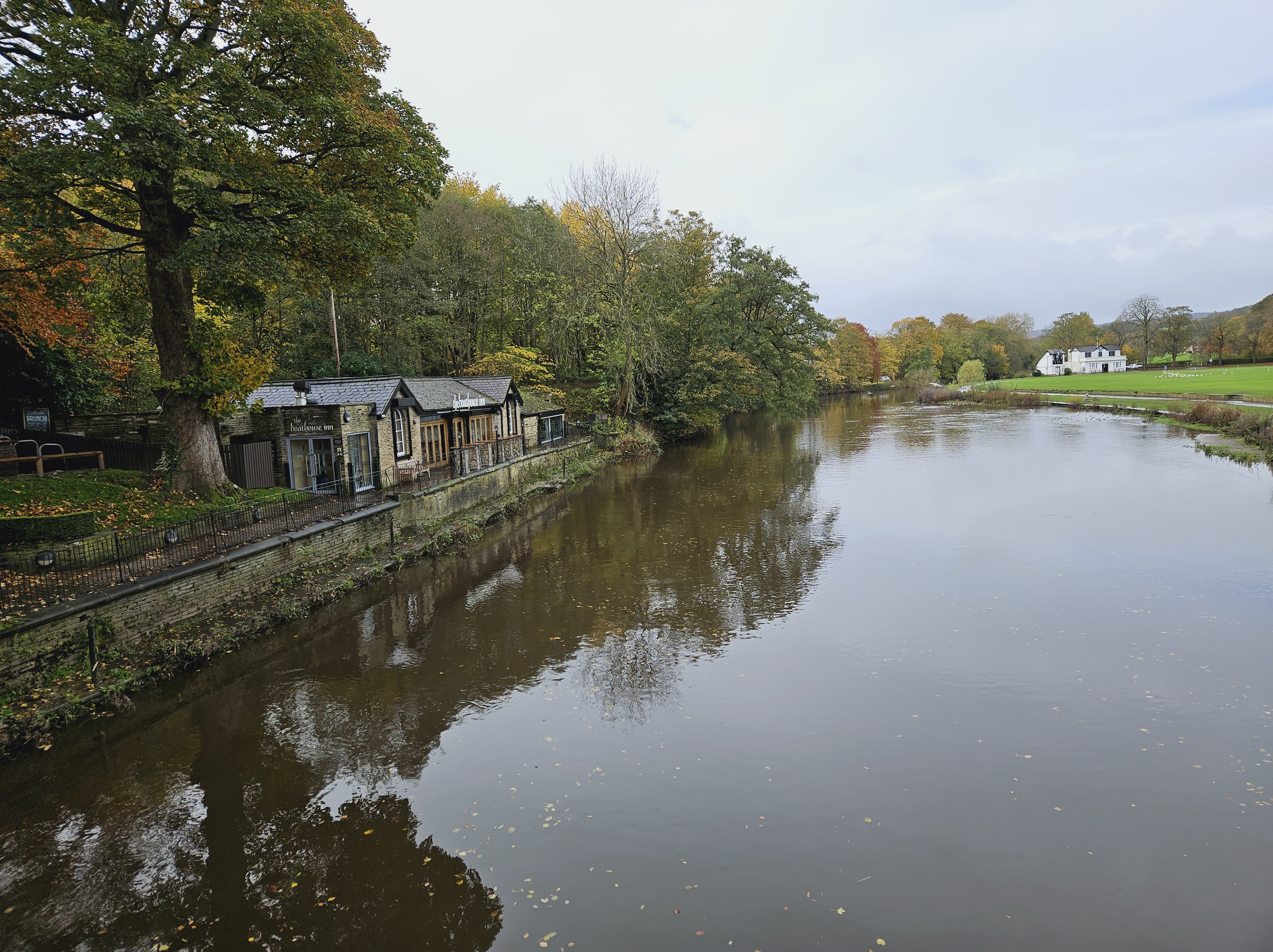
We dined in what had been Salt’s communal boat house, wedged between the canal and the river, and spent a happy hour or so gazing over Salt’s park on the opposite bank. The food was OK, too.
After Saltaire, our daylight was limited but we jumped in the car and headed towards Pateley Bridge, deep in the Yorkshire Dales. This thing with the daylight was an issue as it was almost dark at 4pm. However, we did get to see plenty of stunning Dales scenery, and couldn’t help humming the Emmerdale theme tune all the while.
It had been another long day, but a worthwhile day. If you’re in central Yorkshire, put Saltaire on your list, you won’t be disappointed.

 Stevemayne's Blog