While having far too many military casualties of war in my family tree, I came across two (among a few more) who were members of Britain’s Merchant Navy who died in the Second World War.
Charles Matthews Cater (my second cousin, twice removed) was the Master of the SS Yat Shing (Hong Kong), a British merchant vessel that had been absorbed into Britain’s Royal Fleet Auxiliary (RFA) during the First World War. Charles had served on various ships during his Merchant Navy career, but at the time of the Japanese invasion of Hong Kong, the Yat Shing was in Aberdeen Naval Harbour, in the British Protectorate.
During the invasion, on 16th December 1941, the ship came under fire from Japanese forces and Charles was killed. He left a wife and two teenaged children in Honiton, Devon.
The ship survived and was requisitioned by Japanese forces, who renamed her Nissho Maru. She hit a mine off Yawata, Japan, on 17th July 1945 and sank. The wreck was raised and broken up in 1950.
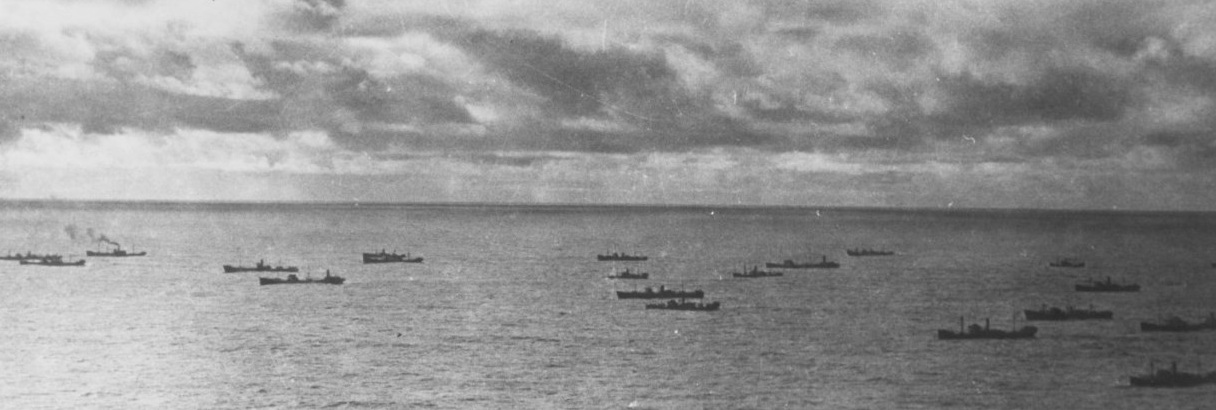
Guy Roy Humphry (my third cousin, twice removed) was a seaman on the British freighter SS Empire Surf (Sunderland). The Empire Surf was not Guy’s first ship, but the ship itself was new and in convoy was making a ballast run, so empty of cargo, from Manchester to Jacksonville, Florida, in the United States.
In the early hours of 14th January 1942, the Empire Surf was attacked by German U-Boat, U-43, and sank, someway south of Iceland. There were forty-seven men listed as dead or missing, and six survivors who were picked up by HMS Alisma. Guy was among the missing, presumed dead. He was just 20 years old.
Charles, Guy, and I share a common ancestor, Daniel Cater (1830-1906) of Kingskerswell, Devon. Daniel is my great-great-great uncle, Charles’ grandfather and Guy’s great-grandfather.
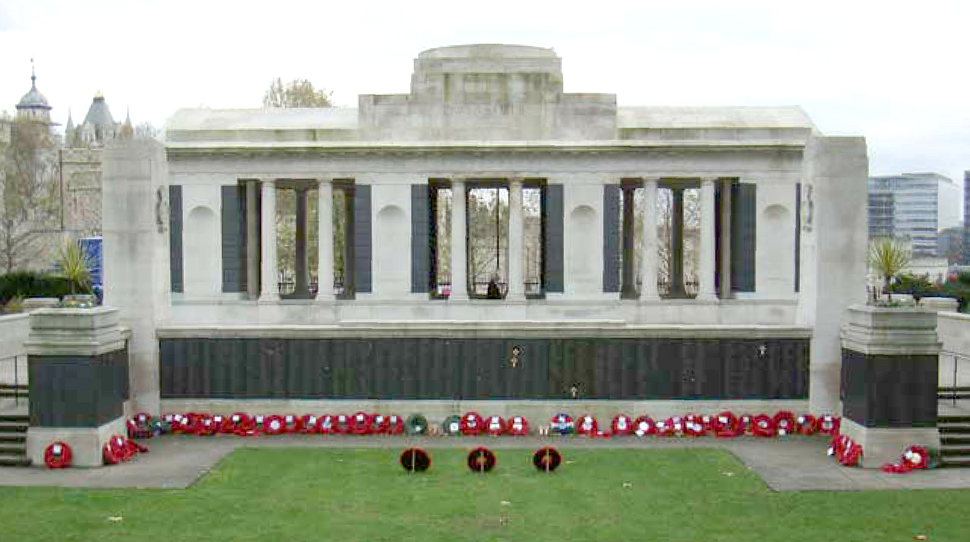
Both men’s names are listed on the Merchant Navy Memorial in Tower Hill, London, Charles on panel 120 and Guy on panel 26.
Details pertaining to the British and Commonwealth war dead in the twentieth and twenty-first century can be gleaned from the excellent website and database of the Commonwealth War Graves Commission: http://www.cwgc.org.
I had been invited to an interview for a Clerical Officer’s job in Central London. I’m not giving any secrets away, given that this was almost fifty years ago, but it was with the Ministry of Defence. Where the job was in the MoD I had no idea, it was just a general vacancy, but I didn’t really care. My mum was quite keen for me to get on, and was more pleased than I was, I think, when I received the travel warrant for a train ticket to London.
I’d only been to London twice before, and never on my own, so it was quite the adventure getting the train, and then the Underground to Holborn, for my interview at Sentinel House.
I didn’t know it then, but Sentinel House was the centre of the Civilian Management organisation for the Ministry. It was quite a smart looking, eight-storey block, all white and green on the outside. Inside it was calm and surprisingly quiet, which helped settle my nerves. For this interview I was wiser, and even as it progressed, I felt I was doing well. Indeed, I was on my way home as the powers that be called my home and told my mum that I had the job.
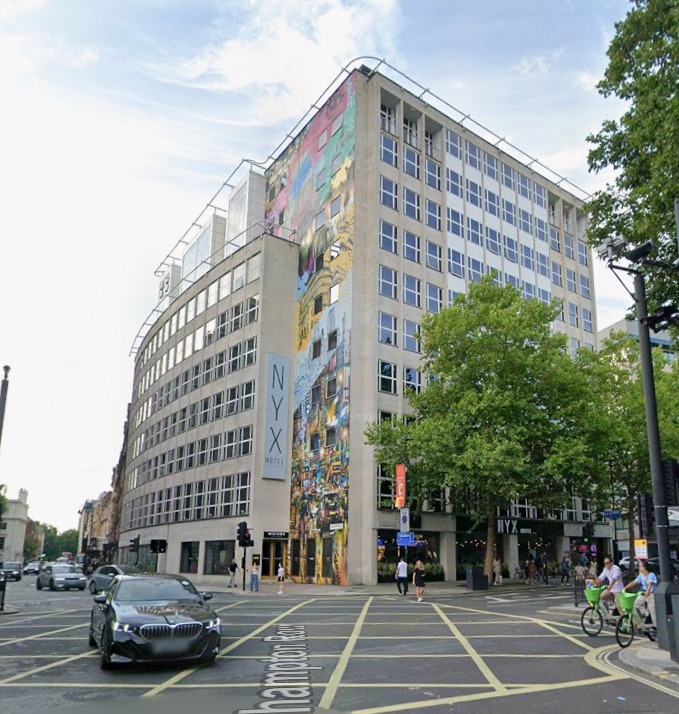
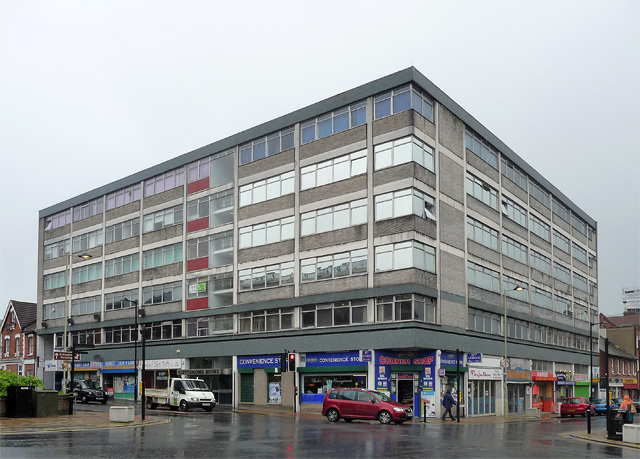
As an aside, Sentinel House still stands, but it’s bigger than it was, and is now a hotel!
Sentinel House today
The administration was a wee bit taxing. More forms to complete, and I had to arrange some accommodation, which even then wasn’t easy in Central London. The Civil Service had a tie up with something called the London Hostels Association, and they organised a bed for me in a grand old house in Leinster Gardens, which is a very smart address in Bayswater, just a stone’s throw from the north side of Hyde Park. That’s all that was grand, though, as I was up in the roof and sharing a room with three other young men. We had a sink in the room as I remember, but toilet and bathing facilities were down the hallway and shared with many others. The hostel provided breakfast and an evening meal in the rent, but the food was dire. However, my room mates were fine, and it wasn’t so far removed from the boarding school I’d attended less than a year before.
On my room mates, only one of them was a Civil Servant, the others were a student from Ghana, and an office worker from Wood Green, and I never worked out why he didn’t want to stay at home rather than pay for the hostel.
It was just a short walk to Lancaster Gate Tube station, and on my first day in Town, a Sunday, I did a dry run on the Tube to Sentinel House, then had a wander around Oxford Street, although not before buying a Nicholson’s paperback A to Z street map book. I kept that book for decades.
Come my first working day, heading down into the Underground, I was struck by two things. One was the noise of the money going into the ticket machines in the street-level booking hall, and the other was the absolute absence of human voices once on the train. Absolutely no one spoke. This, I was to discover, was standard commuting practice.
At Sentinel House I was given yet more paperwork, and told to report to somewhere called St. Giles’ Court, about a ten minute walk away in St. Giles’ High Street. I don’t know why, but I had an idea in my head that the building would be some baronial hall, or regency palace, but it was nothing of the sort. It was, in fact, a red-brick McAlpine office building, post-war, and although eight storeys high, looked squat because it was so huge. Inside was worse because it didn’t look as it had been painted since the 1950s, and there wasn’t a scrap of carpet on the floor, just a hard linoleum finish. So that was why Sentinel House was so quiet, it had carpets.
I took the lift to the eighth floor (there was a phone in the lift, with its own London 01 number), and reported to the registry of the Directorate of Strategic Electronic Radar, shortened to DSLR. Everything was an abbreviation the MoD, as I was soon to find out. But all that will be in the next episode, as the next chapter could go on a bit. I need to keep the chapters short to keep readers awake at least a little.
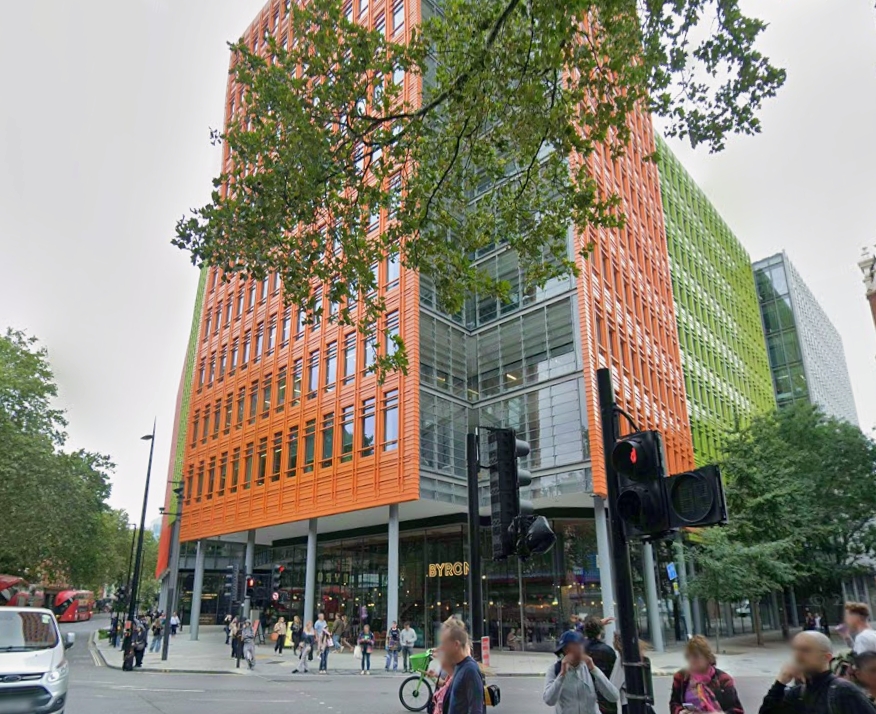
For the record, St Giles’ Court is no more, likewise Castlewood House, its mirror image building on New Oxford Street. Both have been demolished and replaced with new and exciting, er, office blocks.
What replaced St Giles’ Court. Definitely not a red-brick McAlpine block.
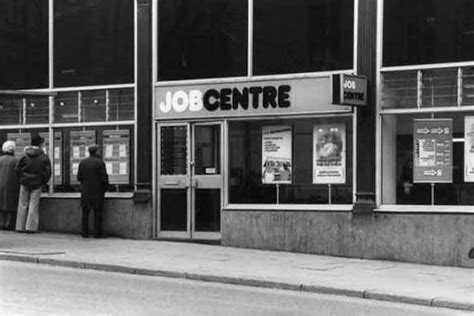
Between finishing my Clerical Assistant contract and starting in London in a permanent job, I had a two week hiatus. As I’d paid my National Insurance dues, I went to the Job Centre to sign on as unemployed.
Anyone who has ever had to “sign on” will know, the first question they ask you is “Are you available for work?”. I said yes, but only for two weeks, and she said “Good, that’s how long you’ll be needed.” So it was that I fetched up at a company called Solartron, in Farnborough, as a temporary labourer. Solartron made measurement instruments (it says here, I don’t really remember), but I and another couple of press-ganged youngsters were engaged to move the accounts department from one part of the building to another. This was in the days before desktop computers, so apart from furniture, cabinets, and racking, most of the move involved paper; tons of it.
It was fairly hard work physically, but quite rewarding in getting a specific task completed. It also helped that I could cycle into the factory, and get paid forty pounds a week for my trouble, a fair bit more than my other jobs.
What I learned at Solartron, though, was that there were some very lazy people around, and a couple of people on my crew worked harder at avoiding work than they did actually working. I was quite shocked. Obviously I was still very green at this point, but the sheer audacity of them. Still, it was only two weeks, and I was very happy to be paid more than twice the amount that the unemployment benefit would have paid.
I was ready for “The Big Smoke”.
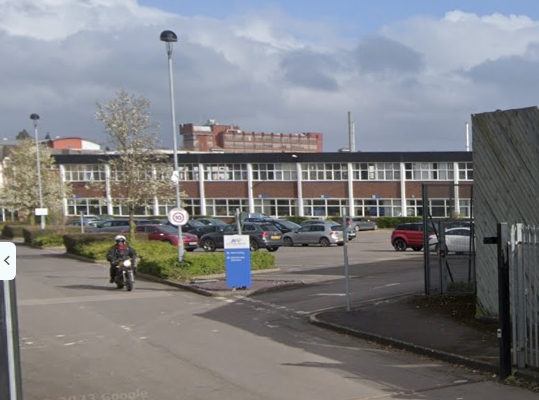
The Solartron factory is long gone now, all bar a small part of it. The rest is now a new B&Q DIY warehouse.
The only bit of the old Solartron factory remaining. Picture from Google StreetView
While at the Lakeside, I had applied for a job as a Civil Servant in the Department of Health and Social Security (DHSS). The posts available were for Clerical Officers, and were at various places in the North Hampshire and South Surrey areas. My shiny new ‘O’ Level passes were a requirement for the job, and I felt pretty confident as I turned up for an interview at Hippodrome House in Aldershot for an interview. My confidence was misplaced.
My problem was that I had never had a sit-down interview before, not even a practice one, so I went in there completely clueless. I was sufficiently aware that I was struggling because even now I can remember the sweat trickling down my back as I stumbled over the questions. If my dad, also a Civil Servant, had coached me a little then I’d forgotten any advice he’d given me, so I crashed and burned. I didn’t get the job.
All was not lost, though, as I was offered a Temporary Clerical Assistant post at the same office in Aldershot, on a six month contract. I gladly accepted, although I hadn’t given enough thought as to how I was going to commute from home.
I pitched up at the Aldershot London Benefits Office, ALBO for short, and started to find out about office work. The office paid short-term benefits to people with London addresses, so we didn’t get too many actual claimants turn up at the door. All the claims came by post, and I very soon found out just how much post when I was sent daily to the Post Room to open mountains of envelopes, stamp, then sort their contents. Every Clerical Assistant (CA) in the place was roped in to do this task daily, and it could take a couple of hours. The bosses were always hurrying us because the rest of the office was waiting on their daily heap of claims and claims documentation.
Had I managed to get the Clerical Officer (CO) job, I’d have been one of the people waiting on that daily mail.
I was assigned to a section of around seven or eight people, and was their clerical support. I filed, I found forms, I put letters in envelopes, and just about every other clerical task you can think of. It wasn’t demanding work, nor did it require a great deal of brain power, especially when tasked with filing papers in the hundreds of thousand of paper files that were stored in the open plan office.
The job paid thirty pounds a week, after deductions, and it came in the form of a Giro Cheque on a government account, which I had to cash each Thursday at the Post Office.
As I found out at the Lakeside, the repetitive nature of the work was a killer, and after about four months I was bored rigid. That said, six months wasn’t a lifetime and I felt that it would be a waste to give up the thirty pounds each week without having found another job first, so I stuck at it. I did at least get to experience an office environment, some great teamwork, and I met a few very nice people there.
The travel to and from home was an issue. There was a bus from Farnborough, but it was the best part of a two mile walk to the bus stop from our house, much of it on a fairly busy road without pavements (sidewalks), which was not great during those winter months I worked in Aldershot. My dad gave me a lift to the bus sometimes, but I always had to walk back, so it was never ideal. Now I was earning, though, I decided to get myself some wheels, and bought a 70cc motorbike, with the help of a loan from my parents. That was great while it lasted, but I managed to write the bike off of an accident after a couple of months of ownership, not my fault I hasten to add, so I was back to the bus. That was until one of my co-workers took pity on me and gave me a lift each day, to and from where I would have caught the bus. She demanded a fee, rightly so, but kept it a wee bit below the bus fare. I still had the walk, but as the evenings were getting lighter, it wasn’t so bad.
With the end of my contract looming, I started to look for other jobs, and this time was successful in getting a Clerical Officer post in the Ministry of Defence (MoD). While there were plenty of MoD places close to where I lived, the job I was offered was in London, which meant leaving the safety of home. I was young and stupid, so off I went into the wild blue yonder.
The little card I’d picked from the rack in the Job Centre was for a labourer to work at the Lakeside Club in Frimley Green. The job paid sixty-five pence an hour and was a good half-an-hour bicycle ride from home, but I accepted the job and started to earn a living.
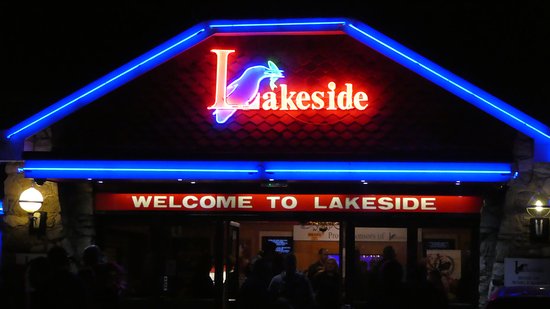
The Lakeside Country Club was a nightclub in the sense that it only operated in the evening and in the night. There was a central stage, a dance floor, and on three side of that, tables, chairs and booths. At the back of the club was ranged a number of bars, and behind them, the kitchens. If you’re British and into darts, then you’ll know the Lakeside as it was home to the darts world championship for many years. When I was there, though, it was dinner and cabaret six nights a week. Not for me the nightlife, though, I was strictly a day-time worker.
The first thing I had to do was to negotiate the time clock, something I’d only ever seen in films. Punching time in and time out on a piece of card, for pay purposes I was told, but it was also a management tool for attendance. I was assigned to work with a man who looked like he should have retired years before, but he was sympathetic to a greenhorn like me, and directed me to do my daily tasks, the primary one being vacuuming the whole darned place! My memory is a little hazy now, and I can’t believe that I did that, day-in-day out. I do remember sitting out in the yard behind the bars, sorting empty drinks bottles into their respective crates. Completion of that task was the ultimate in job satisfaction, from the chaos of the bottle bins to the tidiness of the crates. It wasn’t, though, intellectually stimulating, which is why I didn’t stick the job very long; I needed to get a better job.
While that employment instilled a little of the idea that I was going to have to work if I wanted to live, its regularity was an eye-opener, having to do the same tasks every day, week after week. School had not prepared me for this, but I knew there would be better.
Some years after I left, the original Lakeside had a fire and the entire place was rebuilt with accommodation, pool, sauna, and the rest. The darts world championship only arrived after the rebuild.
Now a few years into retirement, I felt I wanted to document my working life. It isn’t a thrilling tale, but its level of excitement is not important because it’s more for my benefit than anyone else’s, and I know what’s coming next.
It’s not one long tome, thank goodness, as I’ll split it into sections, and the first one has to be the introduction.
I left school in 1976, halfway through my two-year A-Level courses. That was partly because I was fed up with school and wanted to earn my own money, but also partly because my first year had been completed at a British Families Education Service school in what was then West Germany, but my Civil Servant dad had been posted back to the UK and, try as I might, I couldn’t get him to pull the right strings to allow me to stay in Germany for the second year, even though it would have been possible. My dad’s new posting was in Surrey, but he snagged us a Government-owned house close to Farnborough in Hampshire. The local sixth-form college ran a different A-Level syllabus, which would have required me to start my first year over again. For someone already done with school, I opted for the world of work.
Now is the time for regret. I really really should have completed my A-Levels, then tried for university. Not only would that have opened a lot of doors for me, but university education was free then. But I knew best, and now I really wish I hadn’t.
Back in 1976, the work situation for young people wasn’t as dire as it is today, so I had a fairly broad range of work to choose from, even without A-Levels or a degree. I knew I wanted to work in the public sector somewhere, so that I wasn’t helping to make obscene profits for the Robber Barons – I was a socialist at heart even then. My first disappointment, though, was going to the Job Centre to sign on, only to find that I couldn’t get Unemployment Benefit as I hadn’t paid any contributions, which I suppose was fair. I did, though, browse the jobs on offer and opted to apply for a labouring position while I set to and applied for the Civil Service.
I was at the bottom of the greasy pole that is the world of paid employment.
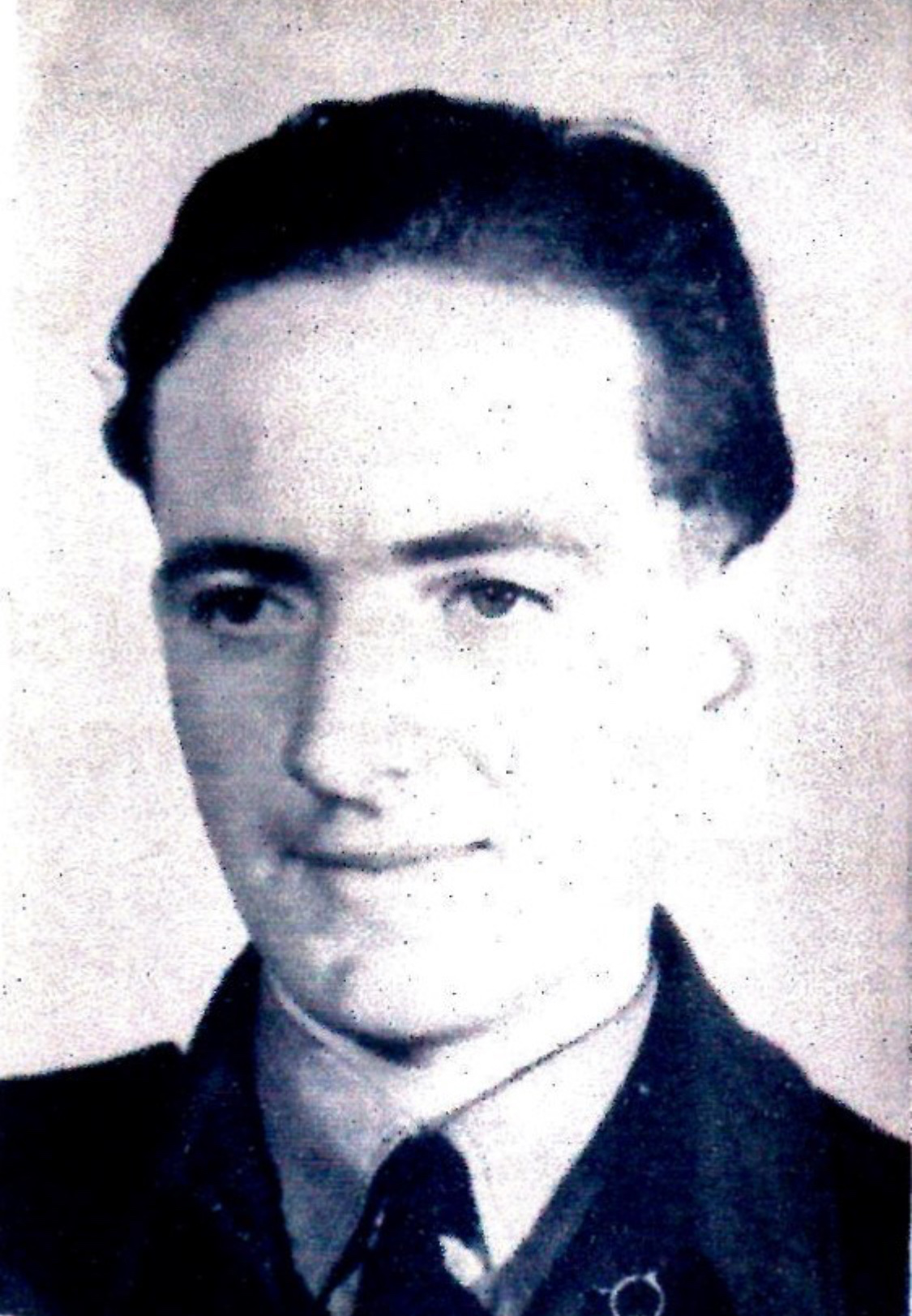
I have many people in my family tree who were lost to war, and those lost to the First and Second World Wars are largely well documented by Britain’s Commonwealth War Graves Commission. (www.cwgc.org). Most were young men serving in the armies of Britain, Canada, Australia, and South Africa, but one jumped out recently because the Royal Air Force is greatly under-represented in my family; his name was Sergeant Archie Pascoe RAF VR, a flight engineer on Lancaster bombers, lost over Germany on the night of 4th December 1944.
Archie was born in April 1922, in Buckland-in-the-Moor, Devon, to Francis Pascoe and his wife Helena Maud Caunter. In my family tree, Archie is shown as my third cousin, twice removed, related to my mother’s side of the family.
There are precious few documents relating to Archie until his marriage in 1944. He missed the 1921 Census, the 1931 Census was lost to fire, and I can’t find him in the 1939 National Register, but from information gleaned from the Widecombe-in-the-Moor website (www.widecombe-in-the-moor.com), it looks like Archie joined the Royal Air Force in 1940 when he was eighteen. Curiously, he joined first as a bandsman, but quickly transferred to aircrew.
Archie Married Constance Rowena Evans in Neath, Glamorgan, Wales in July 1944 when they were both posted to the same RAF Station.
Mark III Lancaster, most likely not ND932
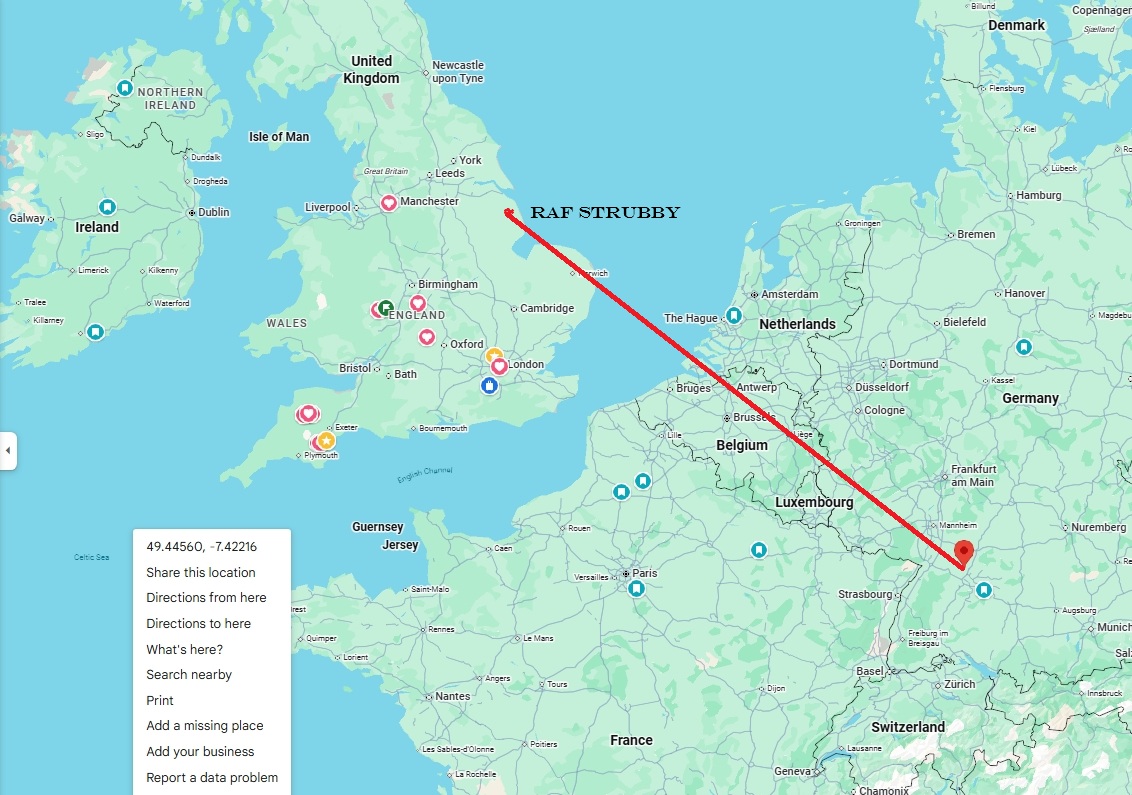
On the afternoon of 4th December 1944, Archie boarded 619 (B) Squadron Lancaster MkIII, ND932, at RAF Strubby in Lincolnshire. The aircraft was captained by Flying Officer Stanley Victor of the Royal Canadian Air Force (RCAF)*, and headed for a bombing sortie to Heilbronn in Southern Germany. Before reaching the target, Lancaster ND932 was hit by fire from a German night fighter, and crashed sixty miles short of Heilbronn. The only crew member to survive was one of the air gunners, Flight Sergeant Gordon Goudy RCAF.
Google Earth 2026
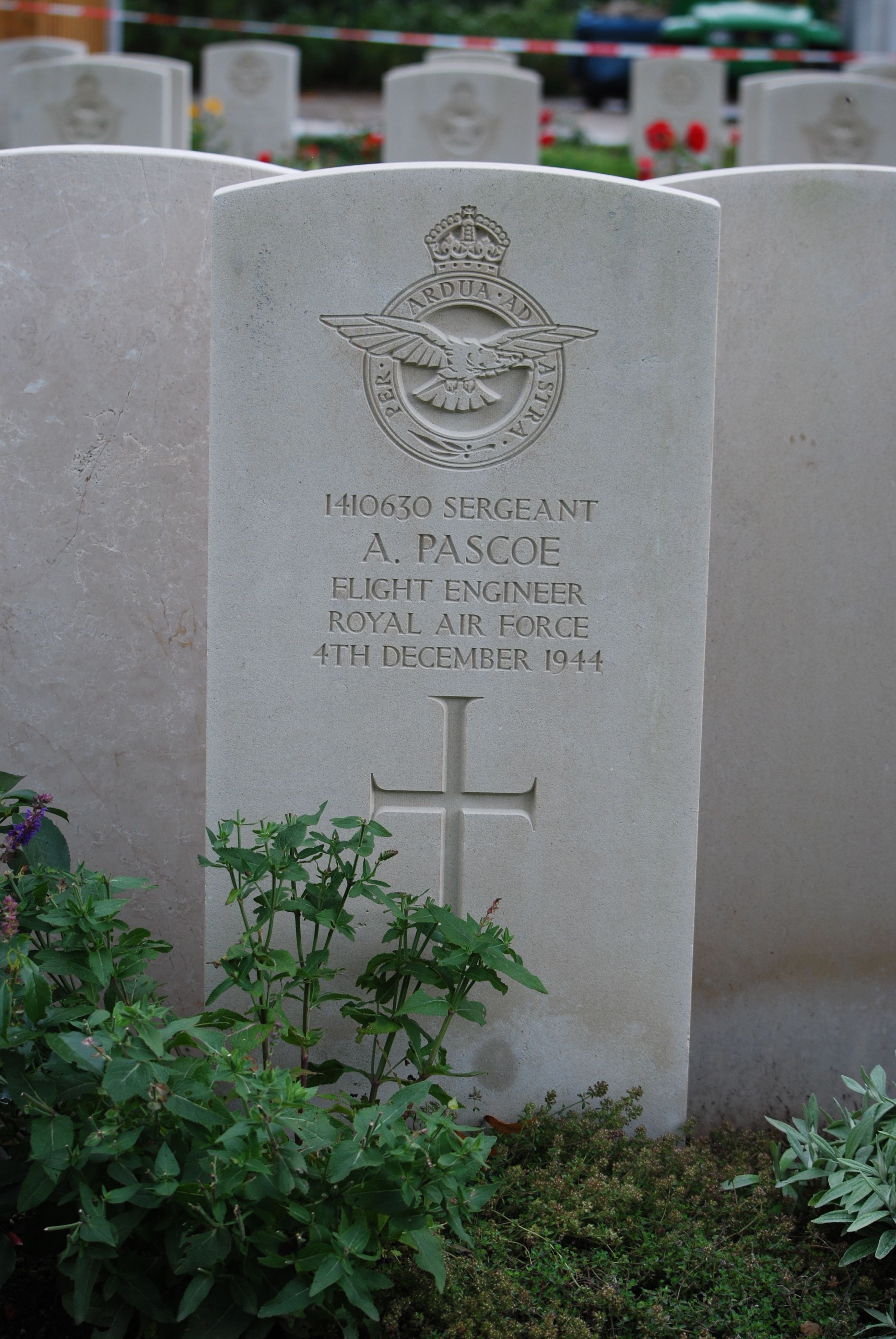
The bodies of the crew were initially interred at Unterriexingen cemetery, near Heilbronn, but later reinterred at the Durnbach War Cemetery south of Munich. As with all British and Commonwealth servicemen killed overseas, their graves are maintained by the Commonwealth War Graves Commission.
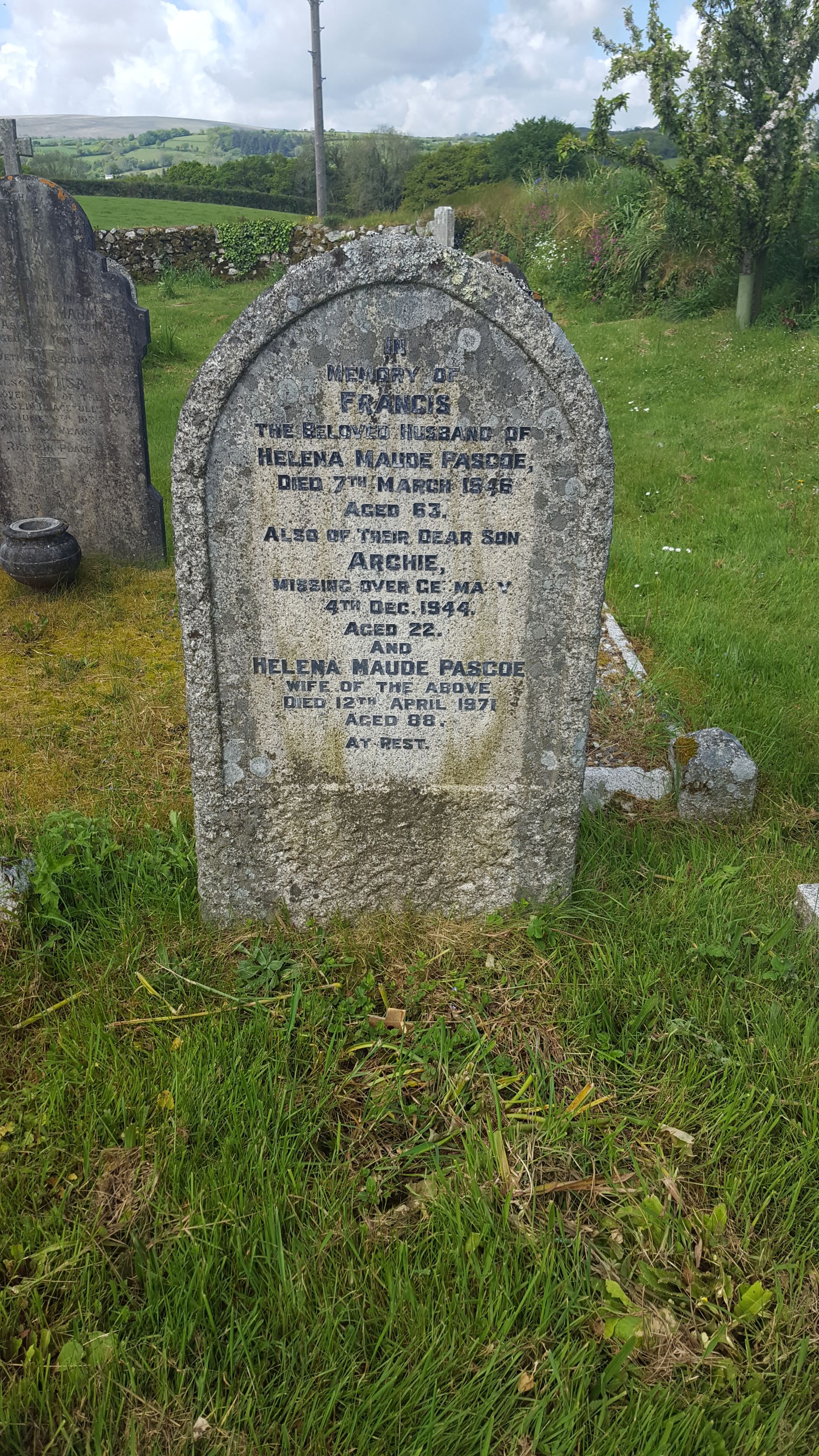
Although the youngest of eight Pascoe children, their parents were hit hard. Francis Pascoe, Archie’s father, died in 1946 and was buried in the churchyard at Buckland-in-the-Moor, and his gravestone was annotated with Archie’s name and date of passing. His mother, Helena, was interred in the same grave when she died in 1971.
St Peter’s Church, Buckland-in-the-Moor
I was surprised at the amount of information that’s available about WWII aircrew, particularly Bomber Command aircrew, on the Internet. Aside from the military aspects, the Widecombe-in-the-Moor village website has a page dedicated to Archie, as it does for all the local men lost in the two World Wars. I have no doubt that there is other information out there, but the Widecombe page is nice, informal round up for a local lad.
Of course, I marvel, as I always do, at the young age of the wartime combatants. I cannot imagine flying across Germany in a Lancaster bomber at the age of 22, and I grieve for the parents of all these young men; how devastating their loss must have been. Lest we forget.
* Three other crew members were RCAF, and I’m grateful to the Canadian Aircraft Serial Personnel Information Resource (CASPIR) website, part of the Canadian Warplane Heritage Museum at Hamilton, Ontario, for the information relating to the aircraft and its crew (www.caspir.warplane.com)
Delving around in the Hill family tree, my maternal grandmother’s side of things, and I came across an interesting story concerning the husband of a third cousin of mine. His name was William Charles Morse, and she was Hilda May Seaward.
Hilda was born in Plymouth in 1902, the daughter of Walter and Mary Seaward. Walter was a Plate Layer on the Great Western Railway, and they lived on Laira Bridge Road, Plymouth. There was a tangle of Great Western Railway lines in Plymouth at the turn of the twentieth century, so Walter would have been kept busy.
William Charles Morse was born to William Henry Morse and Amy Jane Turner in Clonakilty, County Cork, Ireland in 1899. While William’s mother Amy was Irish, from County Kildare, his father was English, from Cornwall, and serving in the British Royal Navy, stationed in Ireland at the time.
The family returned to England in 1905, to Plymouth, and it was there that young William joined the Royal Marines in 1914, at the tender age of fifteen. He saw action in the First World War aboard HMS Erin at the Battle of Jutland in 1916. HMS Erin was a Dreadnought class battleship that had been built in England but destined for the Ottoman Empire. She was captured in 1914 and renamed Erin. The Battle of Jutland was a decisive naval battle in the first war, and William was lucky to survive; one of my wife’s relatives died during that battle and like so many others, his name is on the Royal Navy monument in Plymouth.
William and Hilda married in 1922 and raised five children, all born in Plymouth. I haven’t been able to trace William’s record of service post 1919, so I don’t know which ships he was posted to, but he stayed in the Service and Hilda stayed based in Plymouth.
Then in 1937, as a Corporal in the Royal Marines, William met an untimely death when his bicycle collided with a tram rail that stood proud of the street, on Ebrington Street to be precise, and he died the following day in the Royal Naval Hospital from a fractured skull and the resulting haemorrhage. He was thirty-seven years old.
A cutting from the Western Morning News of Jul 2nd, 1938, details how Hilda successfully sued Plymouth City Council for negligence and was awarded total compensation of £850 (about £75,000 in today’s money).
Her lawyer was none other than Dingle Foot MP, former Lord Mayor of Plymouth and brother of the Right-Honourable Michael Foot MP, who was later to become the leader of Britain’s Labour Party. Dingle Foot was one of the founding partners in the firm of Messrs. Foot and Bowden, lawyers, which still trades today (as Foot Anstey) and has employed both my brother-in-law and my sister-in-law at various times.
Hilda died at the age of ninety-one, in Plymouth, in 1993. I haven’t yet looked at the Morse children, but I’m sure there are some tales to tell with them as well.
I had a warning from the good people at WordPress that one of my blog entries had used someone else’s photograph without permission, and that entry had been suspended until such time as I removed the offending photograph. I will say now that I quite probably did use the man’s photograph without his permission, and that was wrong of me. The entire blog entry has been removed and I hope that’s an end to the issue.
It did get me thinking, though, just how one photograph, hidden away in a little-viewed personal blog should gain the attention of the photograph’s owner. The blog entry was years old and was only one of a few photographs I published, and the only one to cause a stink. My blog isn’t monetized in anyway, I make nothing from it, and I only ever use photographs to illustrate a point, so it bothered me how that one photograph could be picked up and a warning issued.
Then I started thinking about AI. Clearly the owner has set an AI crawler to scour the Internet looking for any instances where his photographs have been used without permission, then to kick off a warning process. It all seemed a bit over the top to me, and like so much else on the Web, quite without context. AI can rarely see through anything that uses nuanced context, an example being the Facebook warning I received about something I’d written and the algorithm had failed entirely to notice the context. People make a great fuss about AI, but until it can understand nuance and meanings beyond the literal, it’s never going to work for me. Back to the photograph crawler, the irony is that the AI systems used will have scraped up his, and many other photographers, work, without permission, in order to perform the task asked of it.
I do think that people concerned about copyright on their work should watermark anything they publish on the Internet. It’s not hard to do, and indicates the intentions of the work’s owners. I guess we could work on the principle that anything published on the Web is automatically copyrighted, but think what that would do to AI systems, if indeed AI systems took any notice at all of copyright, which they rarely do.
No photographs in this blog, copyright or otherwise.
My great-grandfather Joseph (1834-1913) married Jane Pickersgill (1847-1887), sister of Leeds Bookmaker “Honest Joe” Pickersgill. Honest Joe made a lot of money from betting, and his five children were afforded all the luxuries that England could offer at the turn of the twentieth century. Joe’s second daughter, Maud (1882-1928), married Harold Nickols Jnr. (1885-1933), the son of Harold Nickols Snr. (1848-1925). The Nickols family owned the Joppa Tannery in Kirkstall, Leeds, and were themselves wealthy and well connected.
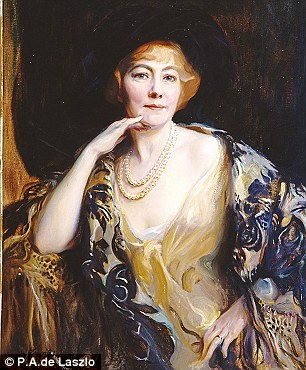
Harold senior’s first wife, Harriet Fraser, died in 1898, and in 1908 Harold married Isabella Simson, nee McConnell, when he was fifty-nine, and she was thirty. Isabella, better known as “Belle”, was even then quite a character.
Belle had been born in Dublin, Ireland, in 1878 to William McConnell and his wife Eliza. William was a sergeant in the Royal Irish Constabulary before he became the Clerk of Petty Sessions in Kilkenny, so was very much part of the English establishment in Ireland, despite being Irish himself. Belle had plans, and married wealthy Scottish brewer James Simson (1849-1903) and moved to Edinburgh. James was the part-owner of James Simson and Sons, brewers established in Melrose by his father, also called James, but present in Edinburgh since 1864. Belle lived in the city in some luxury and bore James two children, Jenny and James Jnr. In 1869 James Simson and Sons merged with James Ewan McPherson & Co. to form Simson and McPherson Ltd. In 1900, the Newcastle-upon-Tyne business of Robert Deuchar Ltd bought the Simson breweries, which is most likely why on the Scottish census of 1901 James is listed as “Retired Brewer”.
James Simson died in 1903, and in his Probate records his estate’s value is listed as “Sealed”, and Belle was confirmed as the widow. I don’t know anything about Scottish law, but I suspect that there may have been claims on James’ estate other than any legacy to Belle.
By the time Belle married into the Nickols family, she was probably a wealthy woman in her own right, but her new husband was also very wealthy.
Harold Snr. fathered one child with Belle, Bridget, who was born in 1910. Harold, Belle, James and Jenny Simson, and Bridget, all lived in Seymour Place, Mayfair, London. You don’t need to be a native of London to know that Mayfair is perhaps the most prestigious address in that city.
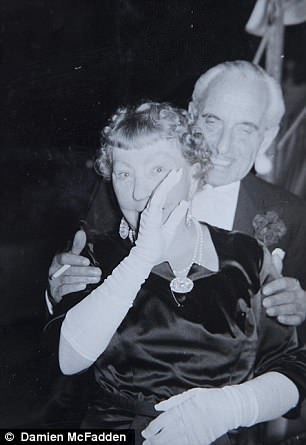
Belle and Harold Nickols (undated)
Bridget, like her mother, had an eye for a wealthy man, and in 1932 she married Charles Allsopp, the Fourth Baron Hindlip. The name Allsopp, particularly with regard to the Allsopp’s Baronial title, rang a bell with me and, with a bit of time spent poring over the Allsopp family tree, I discovered that British TV presenter Kirsty Allsopp is the great-niece of Bridget’s husband, Charles Allsopp. The Nickols-Allsopp marriage, though, was very short lived and in 1934, Bridget married actor Harold Huth.
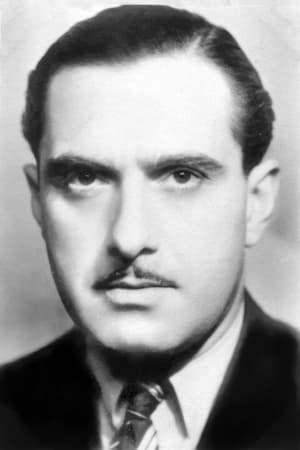
Harold Huth (undated)
I’d never come across Harold Huth, but in the world of film he was a well known silent-film and stage actor, film producer, and director. IMDb has reams about him, as does Wikipedia.
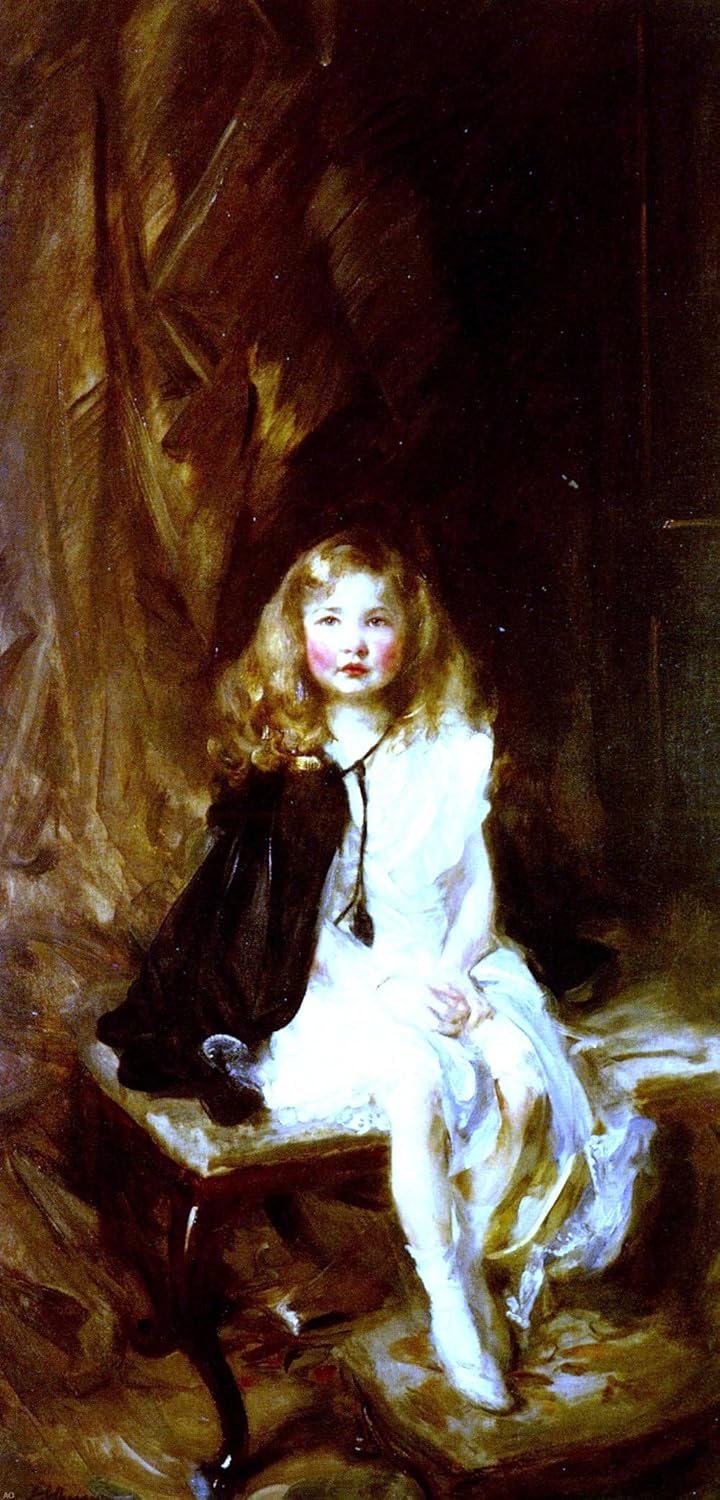
Bridget Nickols 1921
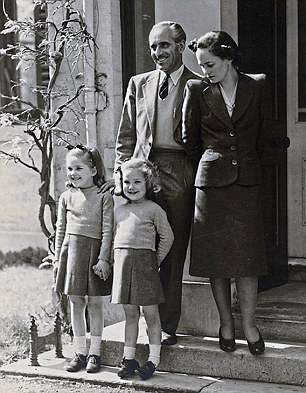
Harold and Bridget Huth, with their daughters Angela and Patricia 1944
Bridget and Harold Huth had two children together, Angela and Patricia, both of whom are writers and both of whom are still alive today. Angela Huth wrote, among other things, the novel “Land Girls”, which was made into a successful British TV series. She also wrote a memoir, which I haven’t read, but I did read an extract from it published in the Daily Mail in 2017. In it, Angela devotes quite a bit of time to her famously dotty grandmother Belle, of times spent with her in her London apartment on Piccadilly, and how she was famously very loose with her money. When Belle died in 1971 she left over £350,000 in her will. However, according to her granddaughter, most of that went to pay off years of accumulated debt.
All of the people I’ve listed do fully qualify to be in my family tree, although the links are tenuous in the extreme. I’ve written it all down partly for its novelty value, but partly as a counter to the vast majority of my family who were from working class stock and lived working class lives; these people were wealthy, but most of the family were not.
Back at the top of the story, with Honest Joe Pickersgill, my great-grandfather who married into that family was a shoemaker by trade, in Leeds. It’s ironic that Joe’s daughter married into the family of a Leeds leather producer, who may well have supplied leather for my great-grandfather to make shoes.