
Tags
Driving, Google, Google Maps, GPS, Maps, Navigation, Route Planning, Travel
I like maps, and modern digitized mapping is really quite excellent. Instant access to the maps across the world, satellite imagery and Street View, what could be better? Well, understanding its limitations would be a start.
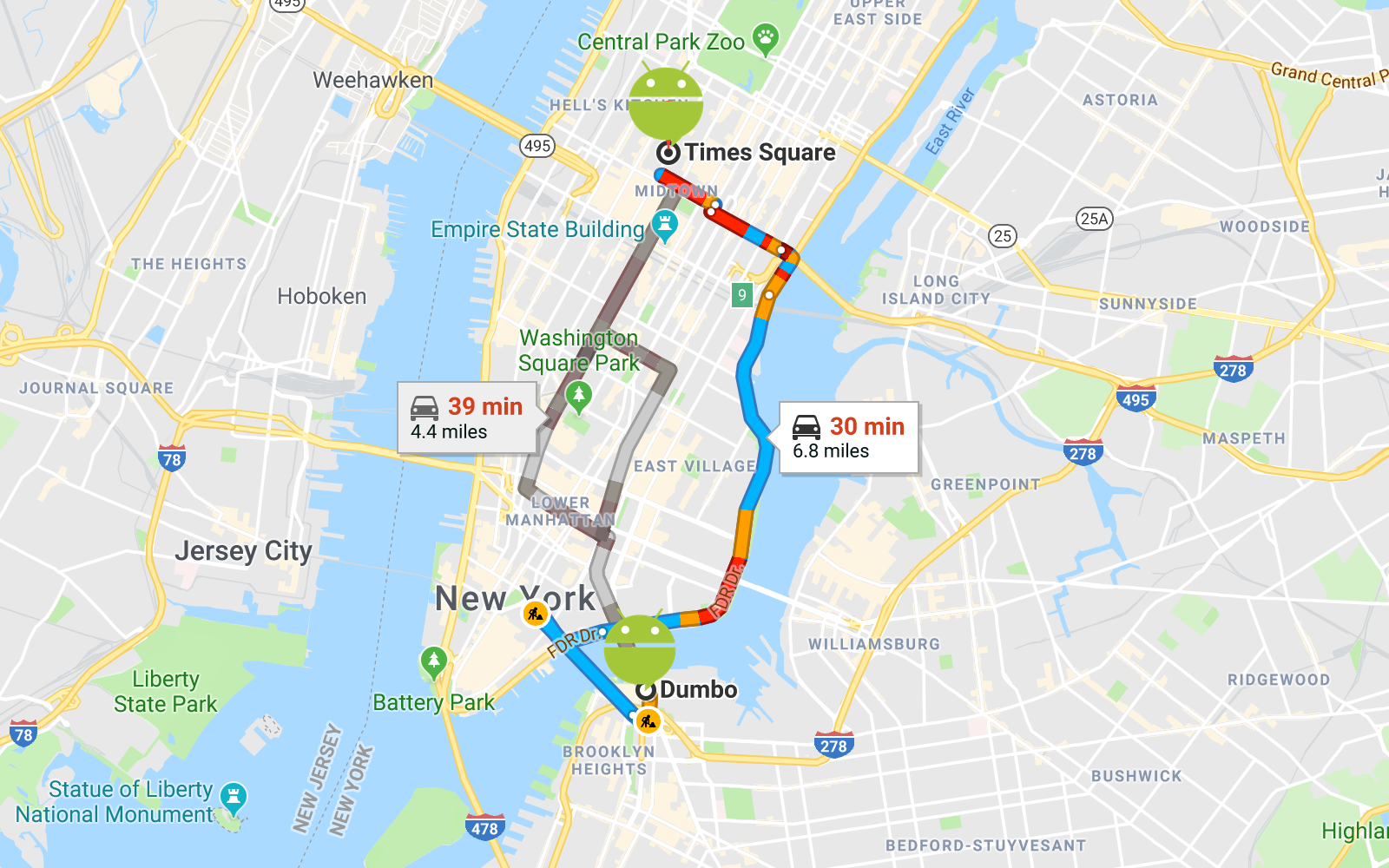
Satellite based navigation for cars really opened up the possibilities, and now cellphone-based navigation systems are bringing in a raft of developments in route planning, especially with traffic information available pretty much in real time. So if I like it so much, where’s my gripe? As it happens, it’s two-fold.
Firstly, the visibility of the map on your hand-held or inboard device is quite limited, generally around 500 metres, even on the big screens available in modern cars. The whole premise of navigation seems to based on that 500m, and the designers of the systems appear to think that you don’t need any more immediate information than that. In a big city with intersections every few yards, I’d agree, but outside of the city, that 500m is pretty paltry. It’s probably just me, but I like to be looking way, way further afield so that I can anticipate things that the navigation system doesn’t let you know, like whether your turn two miles away is to the left or the right. You could argue that you don’t need that information, but I can’t drive without having a general idea of where I’m going. There’s the rub, of course, you may not need that information but without it you’ll end up having to make snap decisions and quite possibly mistakes, all that could have been avoided with more advance information.
The second part of the gripe is the way systems’ developers want to decide the parameters of your journey for you. The prime example is the manner in which systems will constantly suggest route changes as you’re driving, just so that you can potentially save a minute here or a minute there. Seriously chaps, why would be be bothered about single minutes? I drove in a rented car from Plymouth to Manchester and had the navigation system constantly suggesting route changes, to a point at which it became intrusive. I spent some time trying to get the system to stop making suggestions, but when set to “Quickest Route”, those suggestions were not optional. That particular system, in an Audi, sent us on three different routes on three different days between the same two points. Interesting for sure, but why? I couldn’t discern that any of the routes was better than the other. I can’t imagine a long(ish) drive where you did take up all of the system’s supposed time saving route alterations.
There are myriad stories of people being directed down inappropriate roads by their navigation systems and I can’t help thinking that with a bit more information, a wider view, people might not be inclined to blindly follow the instructions.
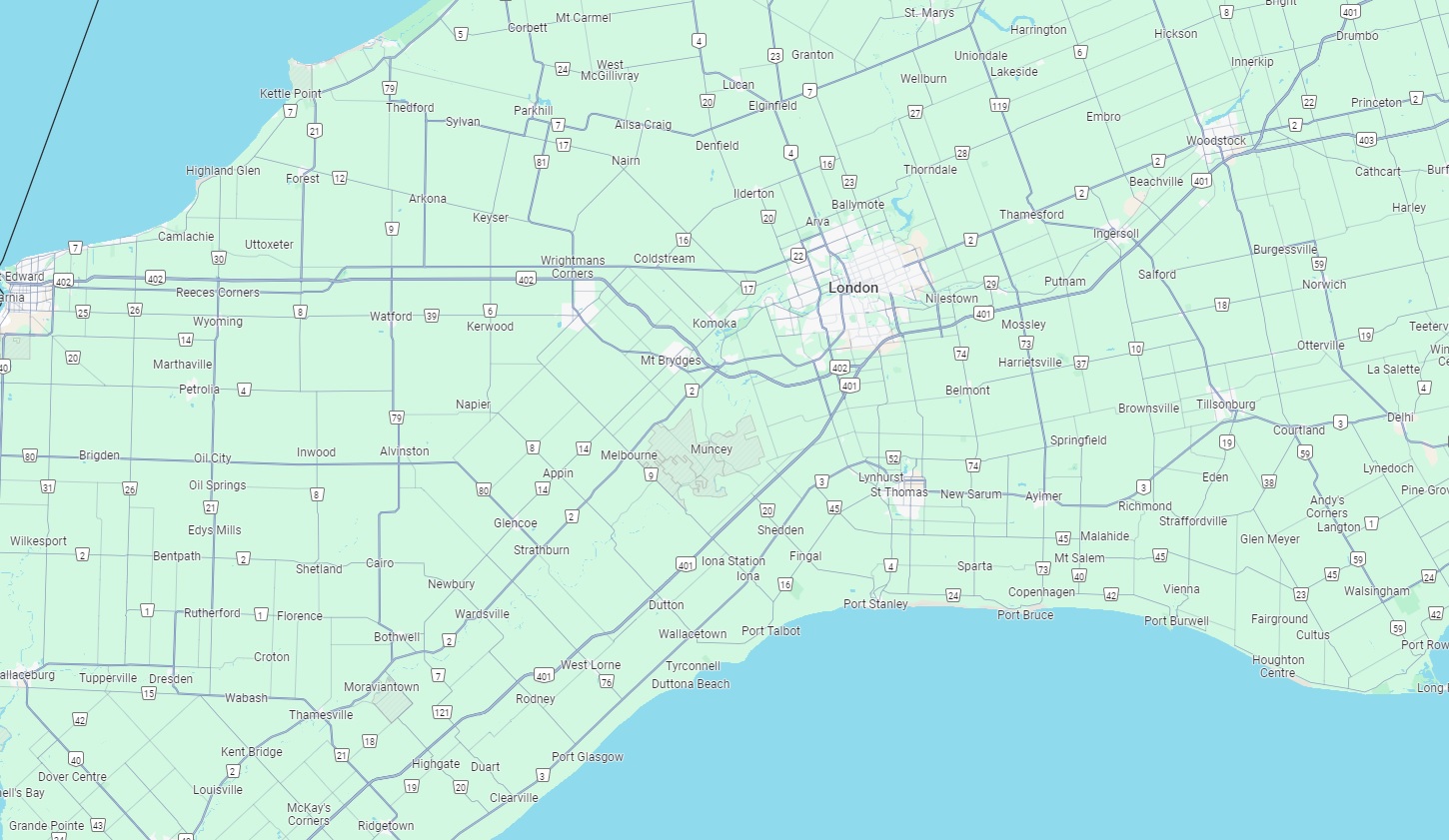
My solution is to peruse a map before I travel, paper or digital. That way I can get a feel for where I’m going, and use the navigation system to augment that broader information. Travelling across London (Ontario) yesterday, I had checked on a digital map to see that I’d need to be travelling from east west to catch a link road that ran north to south. The cellphone navigation system called out the turns, but I was at least able to follow the wider route I had lodged in my memory by making sure I was moving in the correct direction.
OK, it is me, normal people manage with navigation systems just as they are. Me, though, I still like that broader view.
 Stevemayne's Blog