One of our reasons for going back to the UK recently was to look up some Mayne family tree things, chief among them the last resting places of some of my relatives.
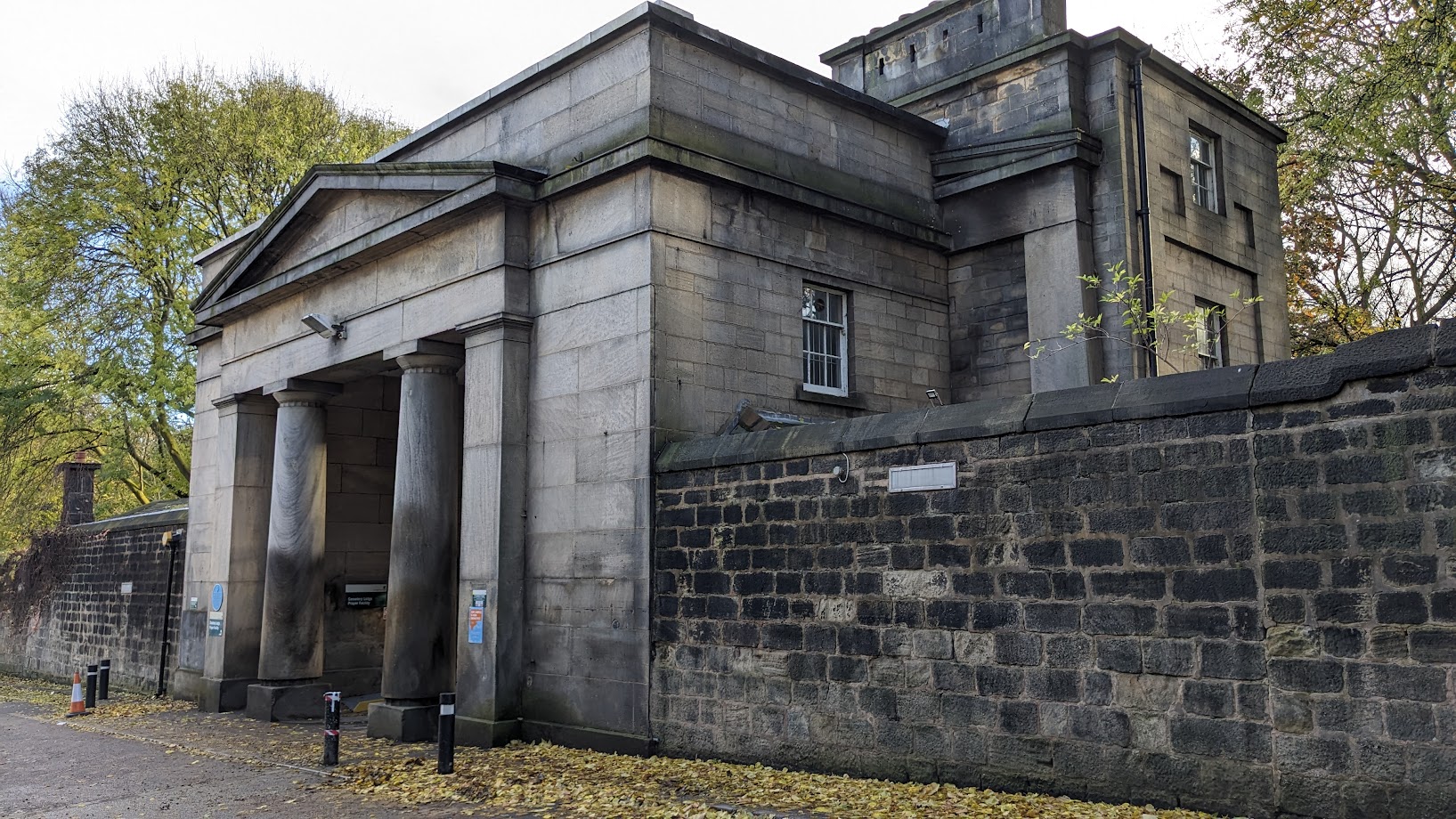
We visited three cemeteries in Leeds, all of which held the last mortal remains of a few of my direct ancestors. We started with Lawnswood, still very much a cemetery in use, and found my grandparents’ grave marker, as well as the grave of a Great-Uncle and his family. I didn’t know either of my Grandparents as they both died before I was born, but it was an interesting thing to do anyway.
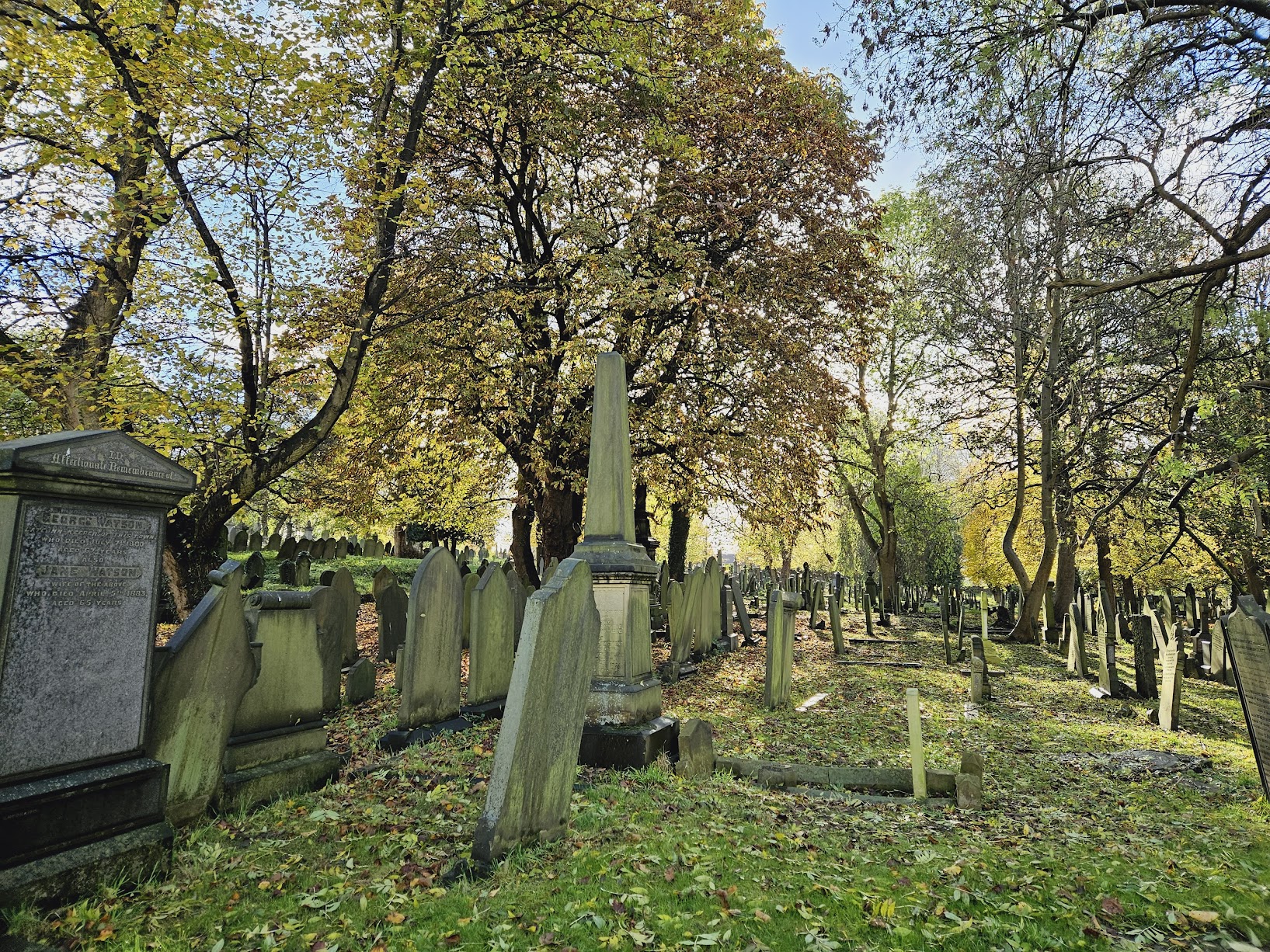
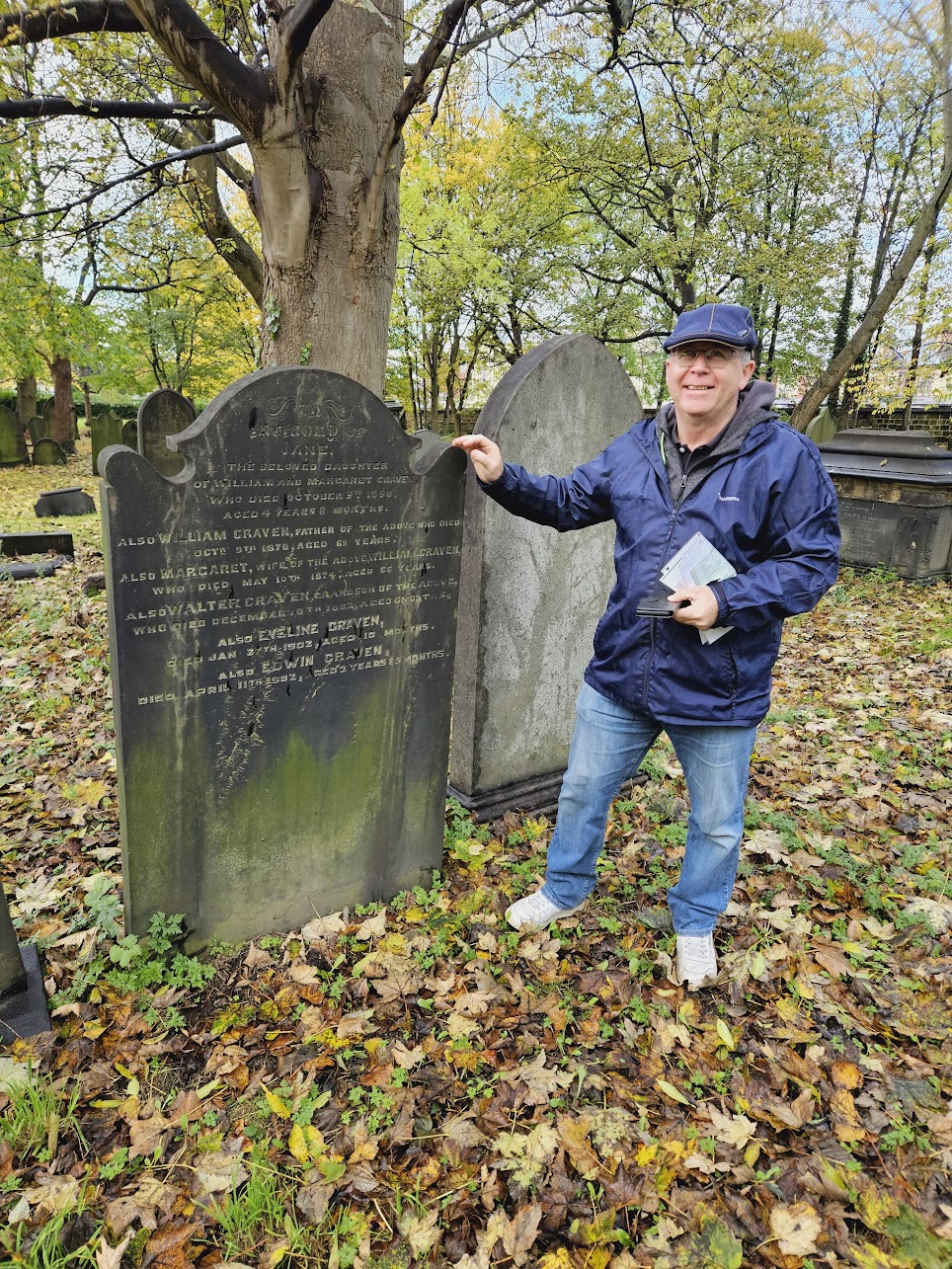
Then we visited Beckett Street Cemetery (formerly known as Burmantofts), opposite the famous St. James’ Infirmary (sometimes known as Jimmy’s). Beckett Street was one of the big public cemeteries built in the nineteenth century to cope with the dead of a rapidly expanding population of Leeds. This cemetery is closed for new burials and is in a bit of an overgrown state, now that Leeds City Council have disowned it. The thing is that it is a wonderful place and absolutely stuffed full of Victorian grave markers and monuments. We didn’t have too long to look around but it would be a fantastic place to spend a day exploring. We found two more grave markers with my ancestors names inscribed upon them, which was excellent.
Beckett Street Cemetery
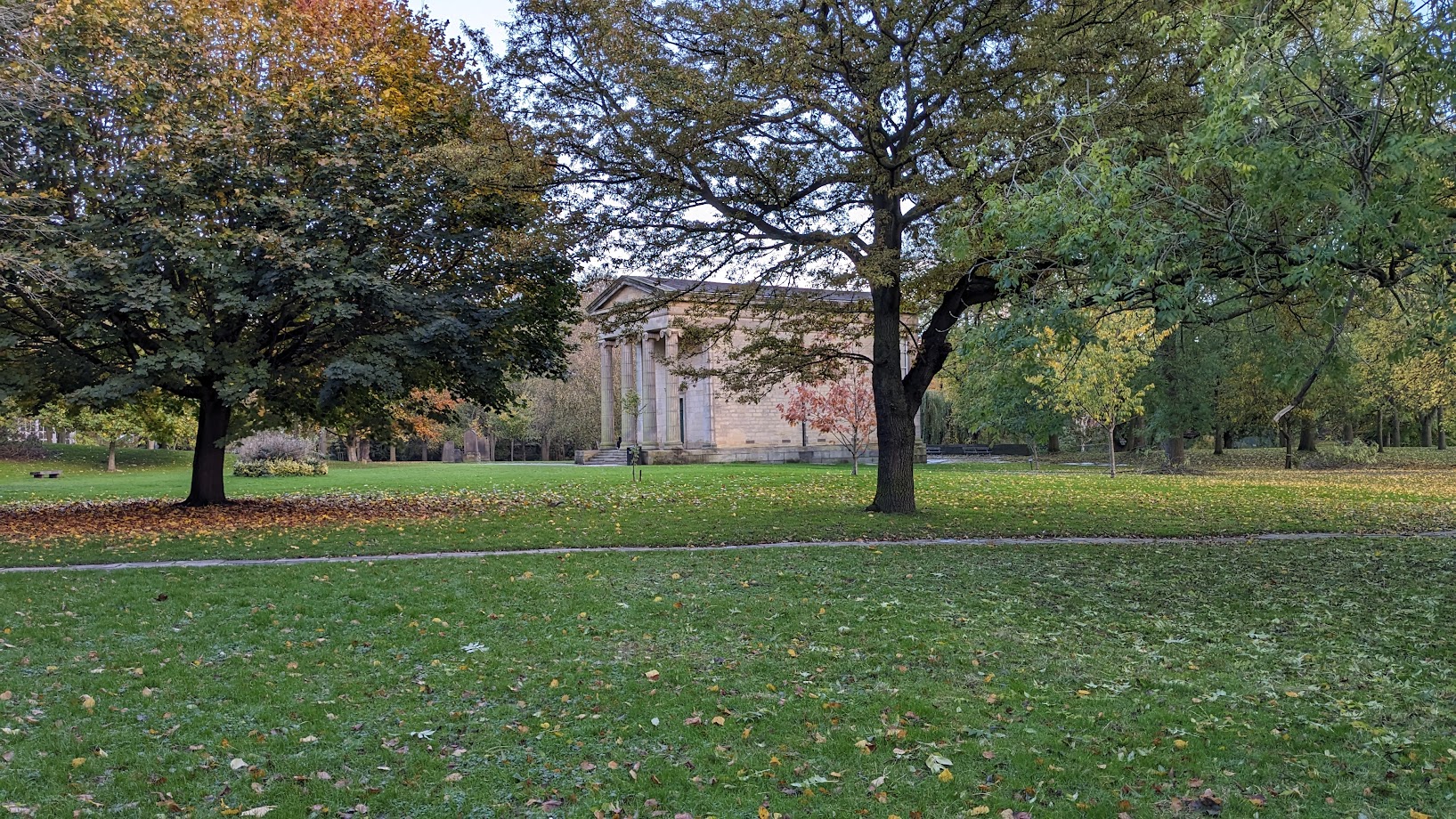
After that we visited the site of the old Leeds General Cemetery, now a park in the grounds of the university. Most of the marker stones have been cleared and the walled space is a wonderfully quiet place to visit. Some of the grave markers have been laid down to act as footpaths, but we didn’t find one with any of my family’s names one them, despite there being at least twenty of my ancestors recorded as having been buried there.
The former Leeds General Cemetery at St. George’s Field
We missed a few churches in Leeds where my ancestors lie, but the cemeteries were certainly worth us visiting.
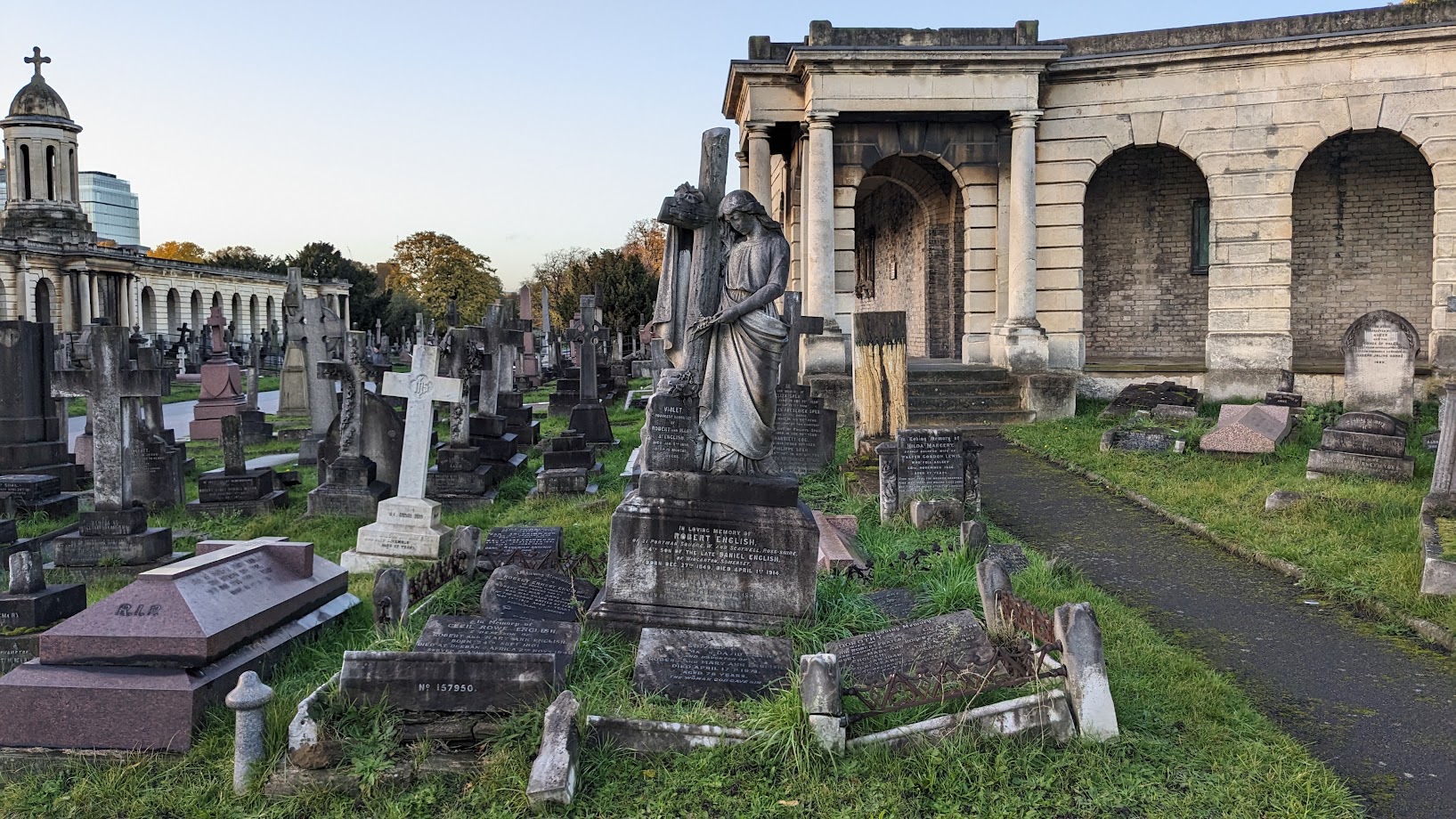
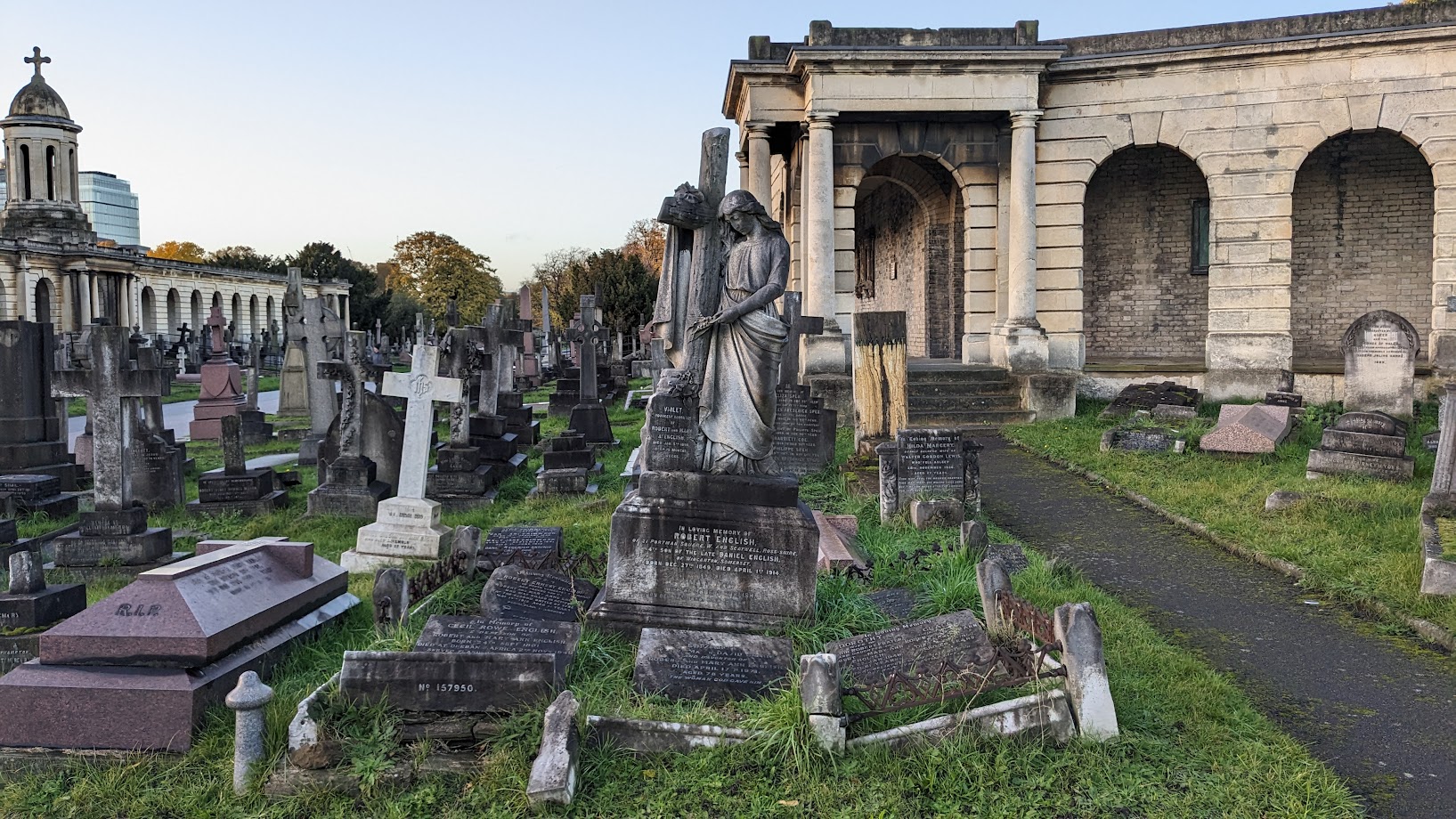
Later on in the trip, we walked through Brompton Cemetery in west London and managed to find the family plot for yet another of my ancestors. Brompton is still in use and is run by the Royal Parks organisation. It’s the final resting place of a fair few famous people, and while the family plot we found was certainly quite grand, I don’t think the people laid to rest there count as famous. I have been past Brompton Cemetery many times, but I never knew of the family connection. I have no doubt that a bit more research would have me discover a few more graves in London, but I’d need months to look around them all.
The plot in Brompton Cemetery, London.
Cemeteries are such fascinating places to mooch around it, and there’s an added interest when you see your family name on the stones.
Next year it will be Huntington, Indiana, and it’s environs, as there are a whole heap of Mayne graves to find there.
Our first port of call today was Westminster Bridge again, this time to Facetime with Charlie for the full twelve bongs of Big Ben, at midday of course.
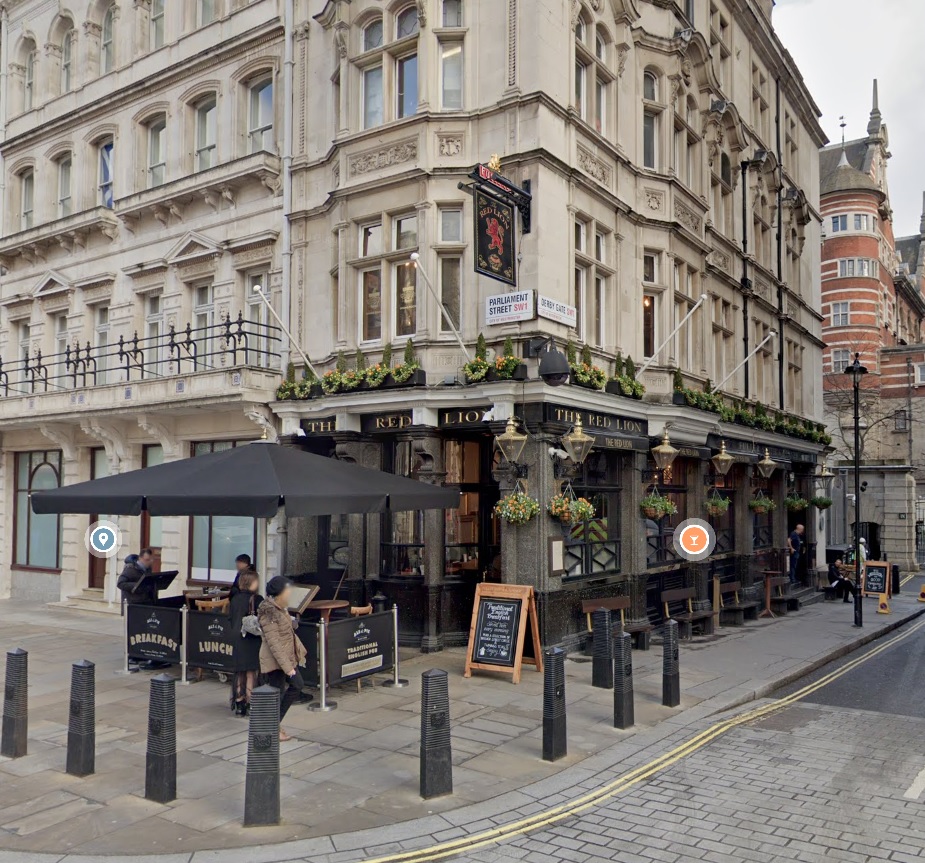
It was raining when we arrived, and the streets around were thronged with tourists, and I’m talking three deep on the pavement here. We had a little while to wait so headed to a pub. It was packed, so we went along Whitehall to the next pub, The Red Lion. Officially it’s on Parliament Street, but who cares when there’s the prospect of a pint of Fuller’s ESB coming your way?
We did find a couple of stools to sit on here, so we stayed. When I was waiting to order, the barman was explaining the Parliamentary Division Bell to a couple of tourists. The Division Bell is a bell that sounds in Parliament when the house “divides” to vote on something. As I caught another barman’s eye he said, “It’s up there”.
I said, “What’s up there?”.
He said, “The Division Bell”.
I said, “I only want a beer”.
At this point he realised that it wasn’t me asking about the bell. Cue one very confused young barman.
Anyway, there is a Division Bell in this pub, as there is in most of the buildings along Whitehall and Downing Street, that sounds when the House is about vote. It lets people like MPs and Lords know to put down whatever they’re doing and head over to the House of Commons, just at the end of the street. Voting in the House has to be done in person, of course. The Division Bell didn’t sound when we were in the pub, so I could enjoy my excellent beer in peace. Or relative peace, because like all other pubs in Central London, this one was quite noisy.
Back to the task in hand, off we scuttled in the rain to Westminster Bridge. The tourists were all there, regardless of the deluge that was about to ensue, but we managed to get onto the south side of the bridge. The rain was hammering down, but we stood fully five minutes in it, talking to Charlie and Emma in Canada, and me recording the event. The Quarter chimes were just starting when a tourist fellow a few feet away started hollering at the top of his voice for his kids to come back to him. I hollered, quite fairly I thought, “Stop shouting!”, and while he grumbled a bit, he did stop shouting. I know he was just trying to attract his kids’ attention, but he effectively drowned out most of the Quarter chimes. Tsk. I have it all on video.
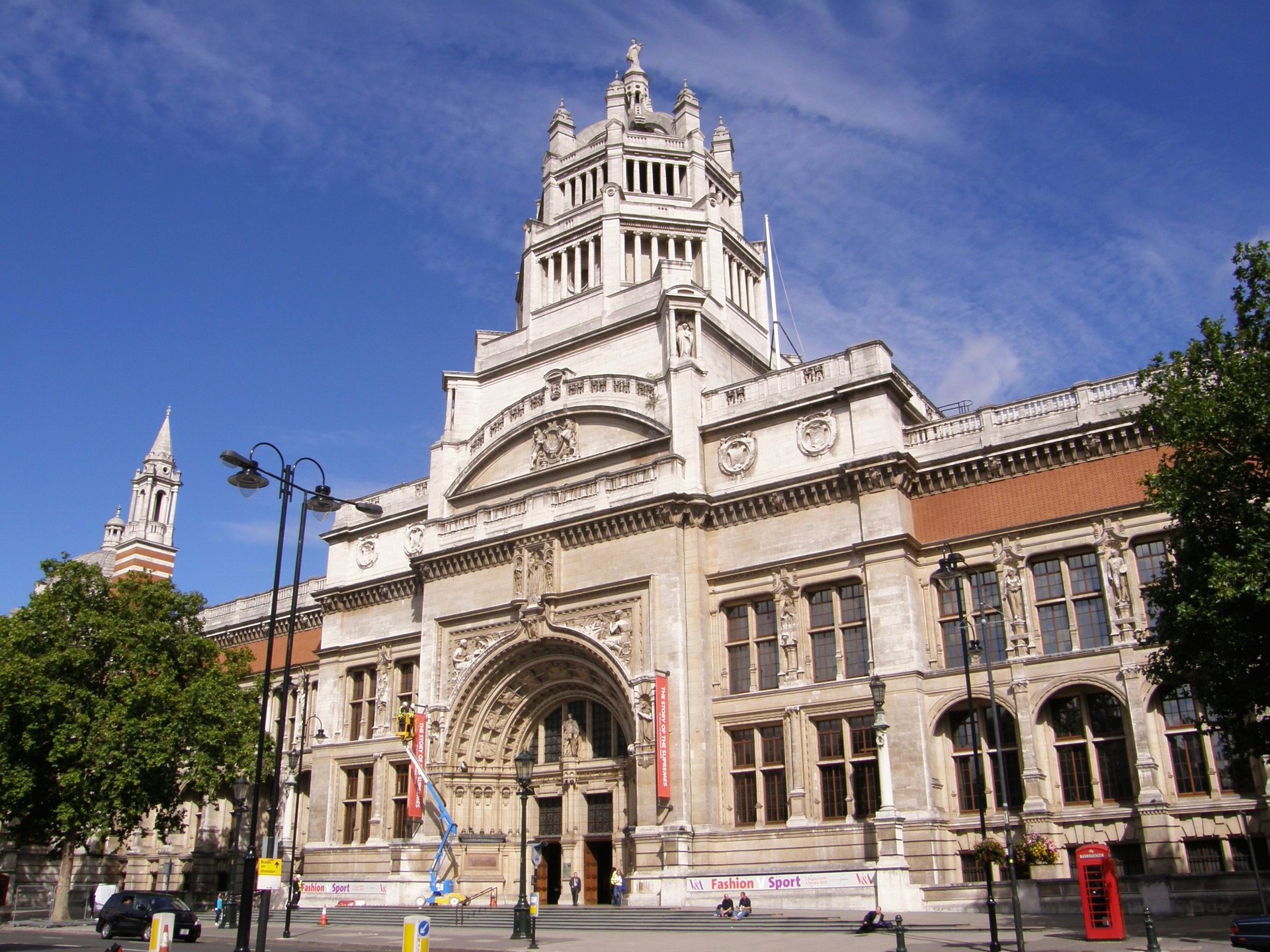
Our immediate plans had to change because the rain was so heavy, and we were soaked through. We decided to head to South Kensington and the Victoria and Albert (V&A) museum.
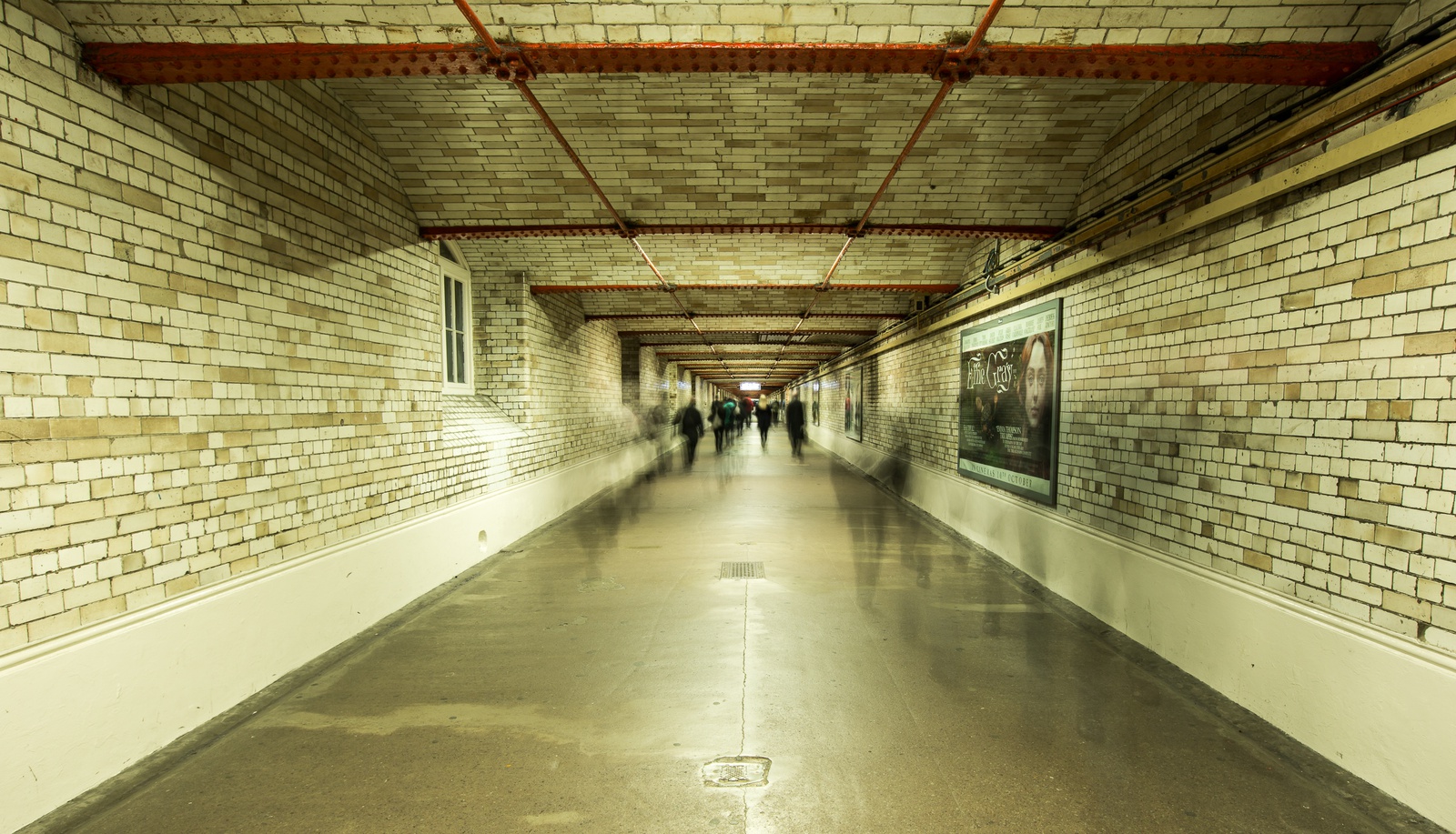
There is a tunnel which runs from the tube station to the V&A, and the other museums, so as we walked to the museum, we stayed out of the rain and away from the traffic, which was good. What wasn’t so good was the stream of visitors heading to the V&A with us, and the galleries closest to that tunnel entrance were packed. The queue for the Café was huge, as was the queue for the toilets, so we moved off to the Diva exhibition of British Fashion through the ages.
I’m sure that the vast numbers in the museum that day were in part due to the weather. Like all the major museums in the UK, it’s free to enter, so it makes a great place to get out of the rain. I’m still slightly shocked, though, at the sheer numbers of visitors in mid-November. What must it be like in the Summer?
We looked at the fashions, which were fascinating, then at all manner of domestic historical items that made up people’s homes through the centuries. While it was all stuff from the homes of the wealthy and well-to-do, it was still really interesting. The problem with the V&A, and the other museums, is that it is vast. We wandered around for an hour two before fatigue overtook us, and we’d barely seen anything. Like the man in the orange V&A jacket said, you really need to decide what you’re going to look at before you arrive, and just go straight there. He’s not wrong.
OLYMPUS DIGITAL CAMERA
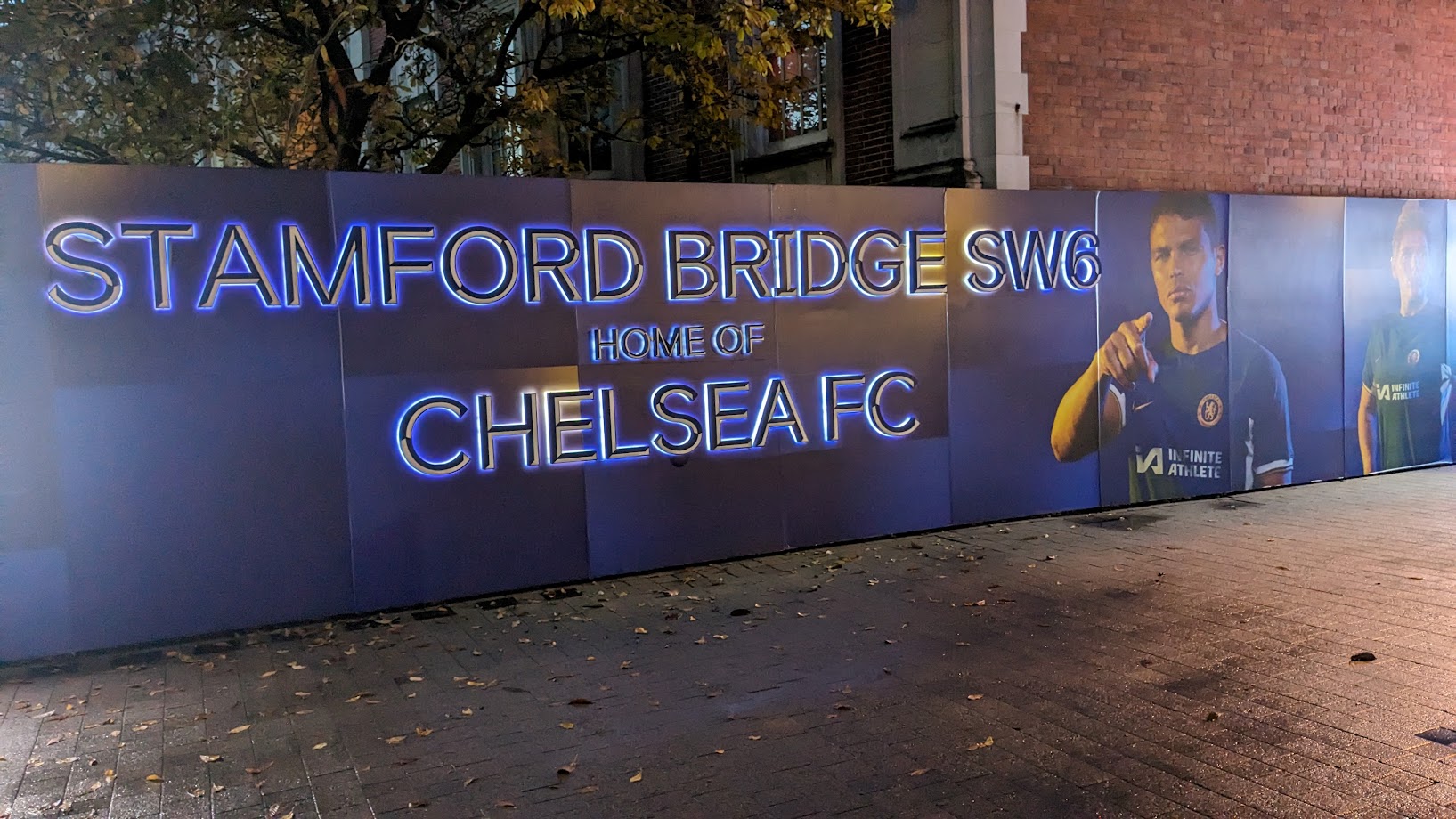
The rain had stopped, and we still had some daylight, so we decided to head to Chelsea Football Club’s ground and its superstore, to buy some gewgaws. Well, you have to, really. We hadn’t eaten, so we stopped for a sausage roll and a Samosa from a little kiosk at the tube station, then headed west on the Underground. We got to Earls Court, ready to change onto a Wimbledon train when the announcement came over the PA system that there was a trespasser on the tracks at High Street Kensington, so all Wimbledon trains were stopped. What to do, what to do?
We decided to continue on foot, despite the fatigue, but then I messed up. When you leave a tube station, there are often many exits, and looking at my A to Z map, I incorrectly assumed we had left by the exit on Warwick Road. Not so, apparently. I am sensible enough to keep checking the map, but to put the mistake right it added about 15 minutes walking (that maybe an exaggeration). On the way, though, we were able to walk through Brompton Cemetery, which was on our list of things to do anyway. Unfortunately, it was 3:35pm and the gates closed at 4pm, so we were on a bit of a time crunch, not least because it’s a big place and we had to walk from one end to the other. I was panicking about getting locked in, so it was all a bit of a rush. However, we found the plot we were looking for and took a squillion photographs.
As we were heading to the gates of the Cemetery, a Royal Parks car came through with a loudspeaker on it, telling us all to vamoose, and we made it with barely a minute to spare. Like the museum, the Cemetery is so full of interesting stuff that you really need much, much longer to explore.
Chelsea FC and Stamford Bridge were excellent, even if the prices of stuff in their shop were daylight robbery, and as it was getting dark we mooched over to Fulham Broadway tube station to get the Underground back into the West End. We’d decided to visit the Marquess of Anglesey pub in Bow Street, Covent Garden, because that was the site of my first pint of beer in London, when my dear departed older brother met me there in 1977. I remember the occasion well, and that the beer was 26p a pint.
On the way to the pub I thought it wise to check out a restaurant to eat at, because although the pub advertised meals, I had my doubts. We eventually ate in the Wildwood Italian restaurant, right opposite the Royal Opera House, where we were skillfully upsold an expensive bottle of Negrini water. Not that the restaurant was any more expensive than anywhere else, but the waiters were clearly pushing to maximise the bill, and why not? We did make it to the pub, and it was packed. The noise level was huge, like all the other pubs we’d been into, and it’s just people socialising, not eating or trying to get drunk; that’s how English pubs work, mainly the socialising.
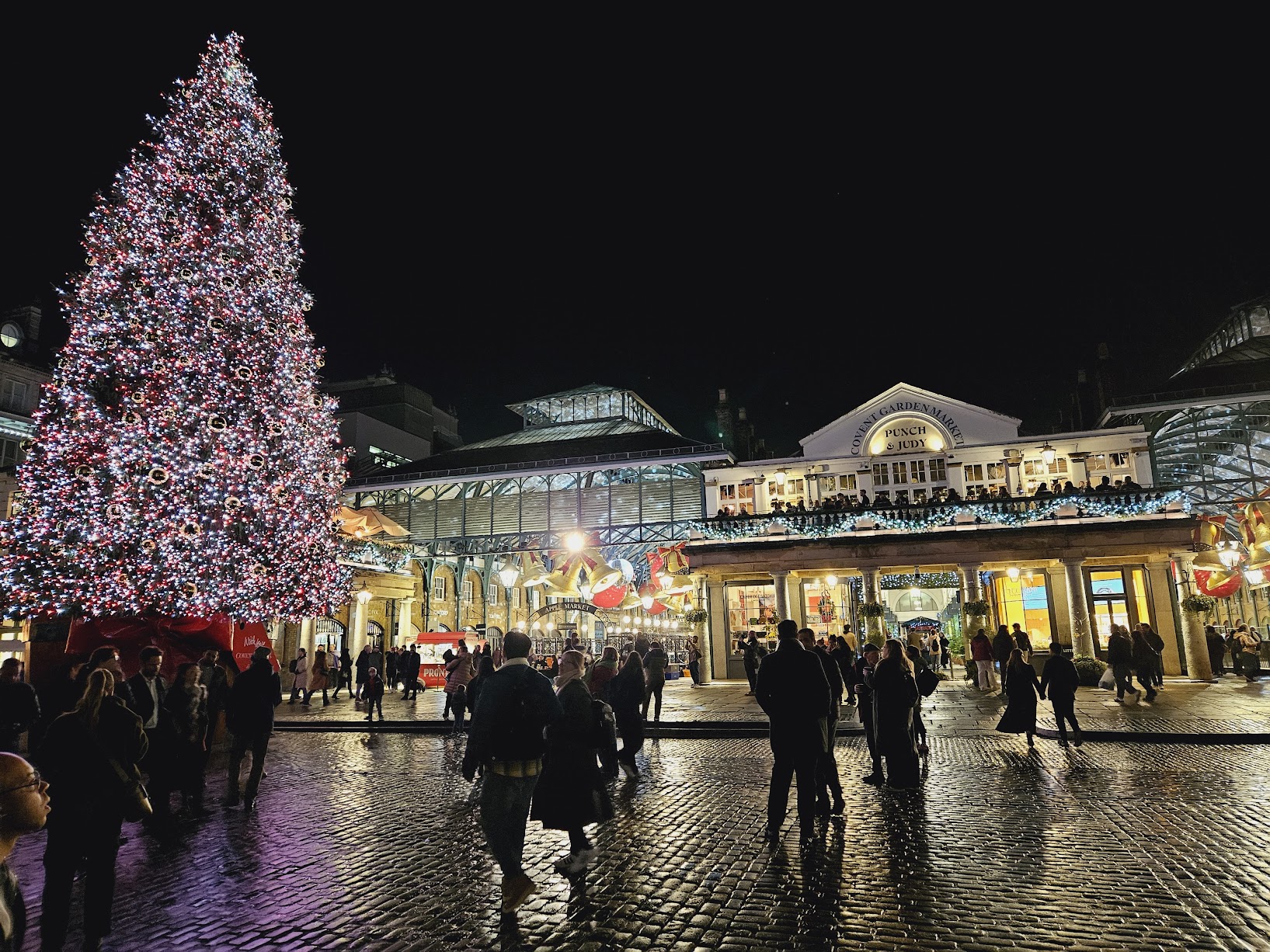
After the one drink, we went outside and had a lovely walk around Covent Garden. We saw the street in which Victorian Maynes had lived, and saw their church where they were baptised and married. The old market building, still boarded up when I first went to London in 1977, two years after it has stopped being a market, was lit up in its Christmas finery. At 7pm, it was packed with people, and most of the shops that now occupy the market were doing a good trade. From there we walked up Neal Street towards where the aforementioned dear departed brother used to live. We stopped on the way to pick up cupcakes (of course we did), then ambled up towards St. Giles. Neal Street used to be almost entirely greengrocers’ shops (being close to the market, of course). Those shops didn’t have windows and doors, but opened straight onto the street, so at night they were closed up with boards. If you went down there on a Sunday, it was a ghost town of boarded shopfronts. Now the street is full of very trendy shops and packed with people, seemingly 24/7.
St. Giles was the site of my first workplace in London, although the building has long since been demolished and replaced by something big and orange. The Angel pub is still there, as is the convenience store next door, the home of my youthful Mars Bar cravings.
We crossed New Compton Street which was, as my family tree research informed me, the home to another part of the Mayne dynasty. It’s all post-war development now, but I never had any idea that my ancestors had been so close when I worked just across the street.
Our target for the evening was Oxford Street, London’s main shopping street, to see the Christmas lights. After Covent Garden’s impressive display, I’m afraid Oxford Street’s offering was paltry. Somehow, Oxford Street always was a bit of a disappointment.
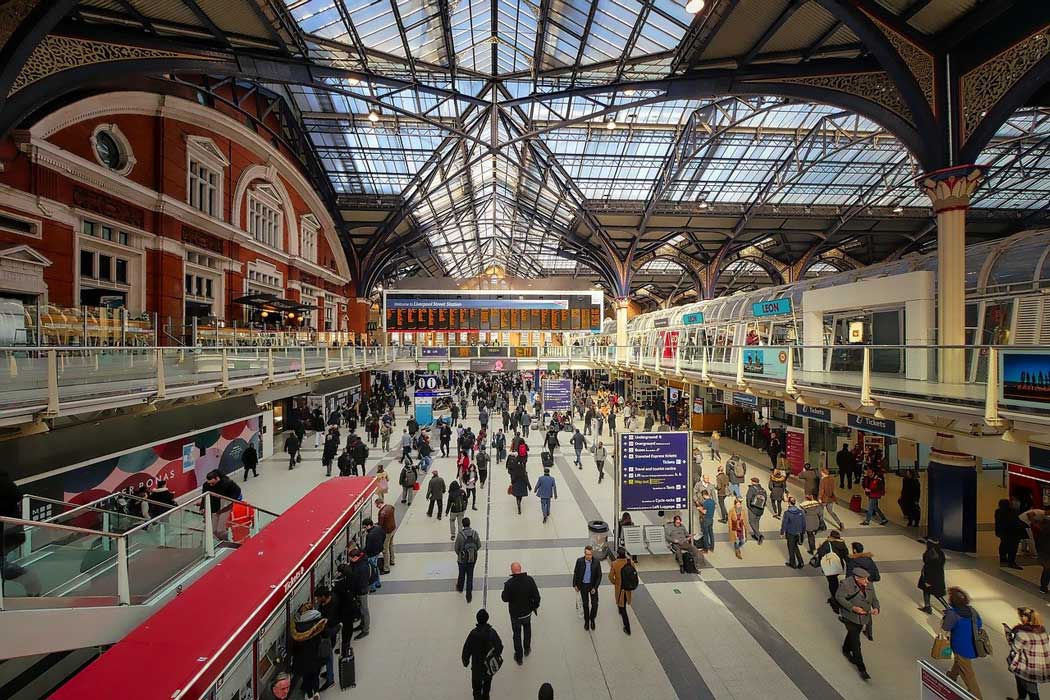
Heading back to Lower Clapton (the official area designation, I’m told), Liverpool Street Station was a bit of mess because there had been a “Passenger Incident” that was affecting trains on the line we were to use. As I had my lucky mascot (t’wife) with me, there was a train waiting to leave, and although it was standing room only because so many other trains had been cancelled, we reasoned it was only four stops, so on we hopped. Two passenger incidents on the same day, it must be some kind of record.
That was a long day, and we were both shattered, but we had covered an awful lot of ground and ticked a few things off the list, so it was all good.
 Stevemayne's Blog