
Tags
Or “From The Ground Up”
In my old persons way, I like to watch the construction of new buildings, and there’s been a lot of that around here lately.
Houses are not built the same way here as they are in Europe. Most will have a basement, or cellar, and the wooden frame of the house will be built on top of that. Where you see bricks, they’ll just be an outer skin with no serious weight bearing going on; that’s the job of the wood.
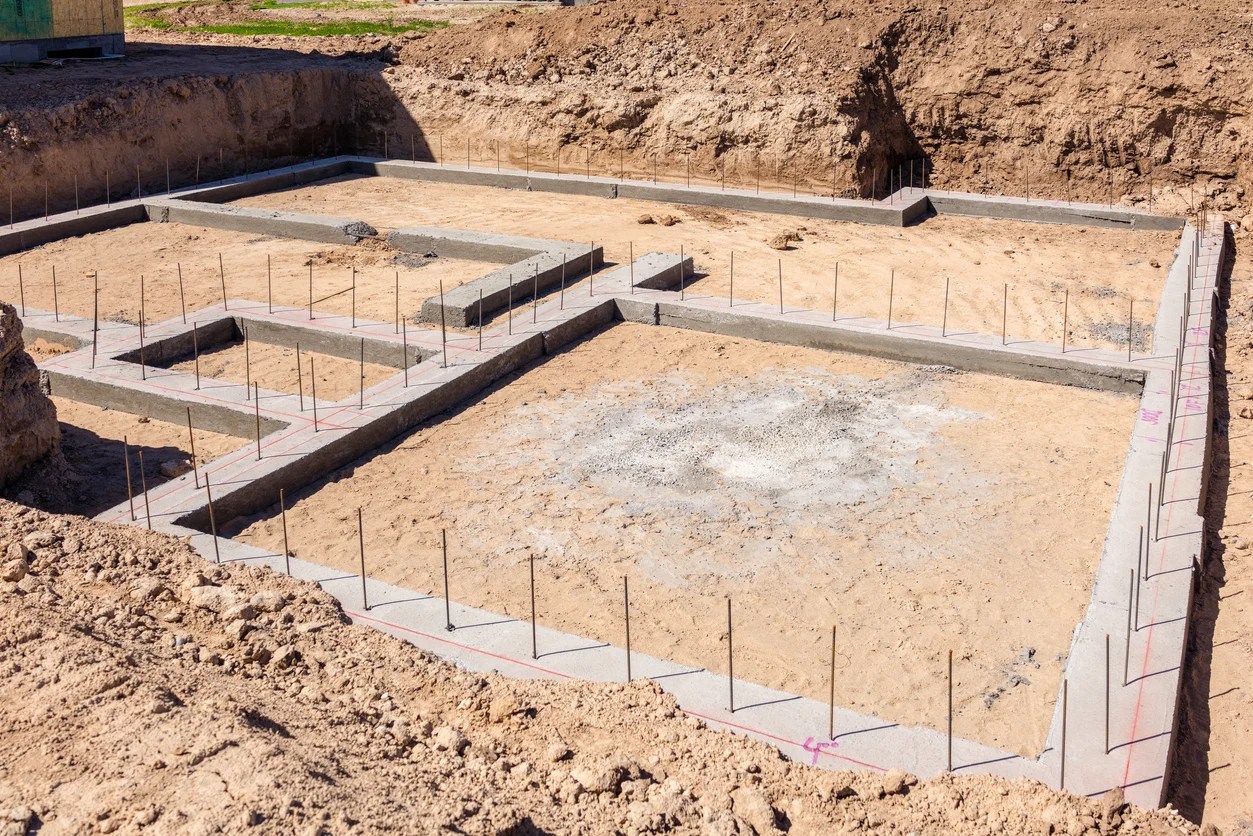
The footings of the house will be much the same though, as the top picture shows, with the exception of the steel rebars, and the fact that they’re normally in a hole six or seven feet deep. The land inside the borders of the footings is often filled with gravel because later, concrete will be poured in on top to form the basement floor. there’s also a sump, or small well, built into the basement floor, and water pipes that collect groundwater from around and under the house will feed into it. This keeps the basement dry, but only if you have a pump set up to remove that which gathers in the sump. There’s a whole debate, for another day, about the utility of a basement sump.
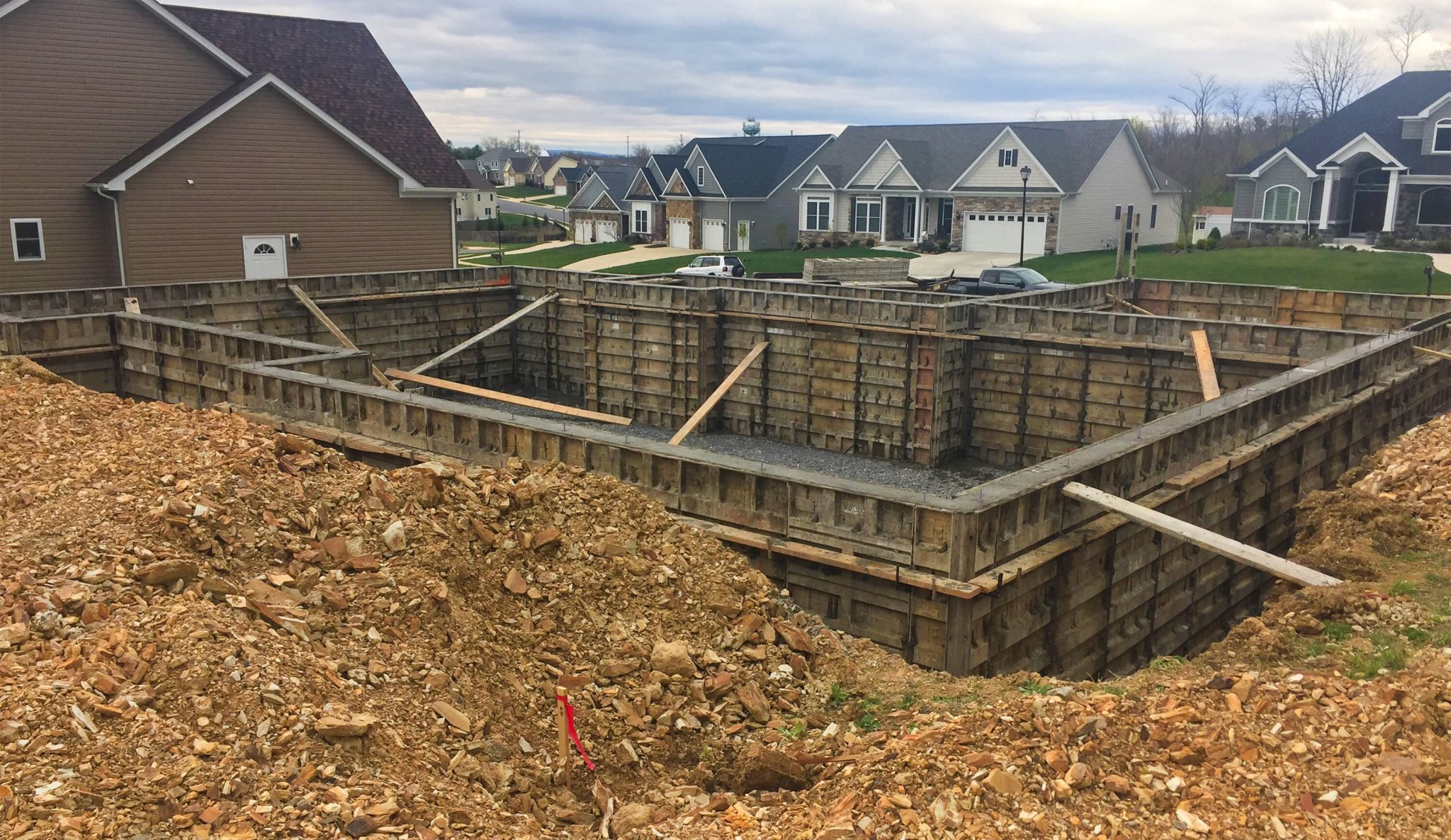
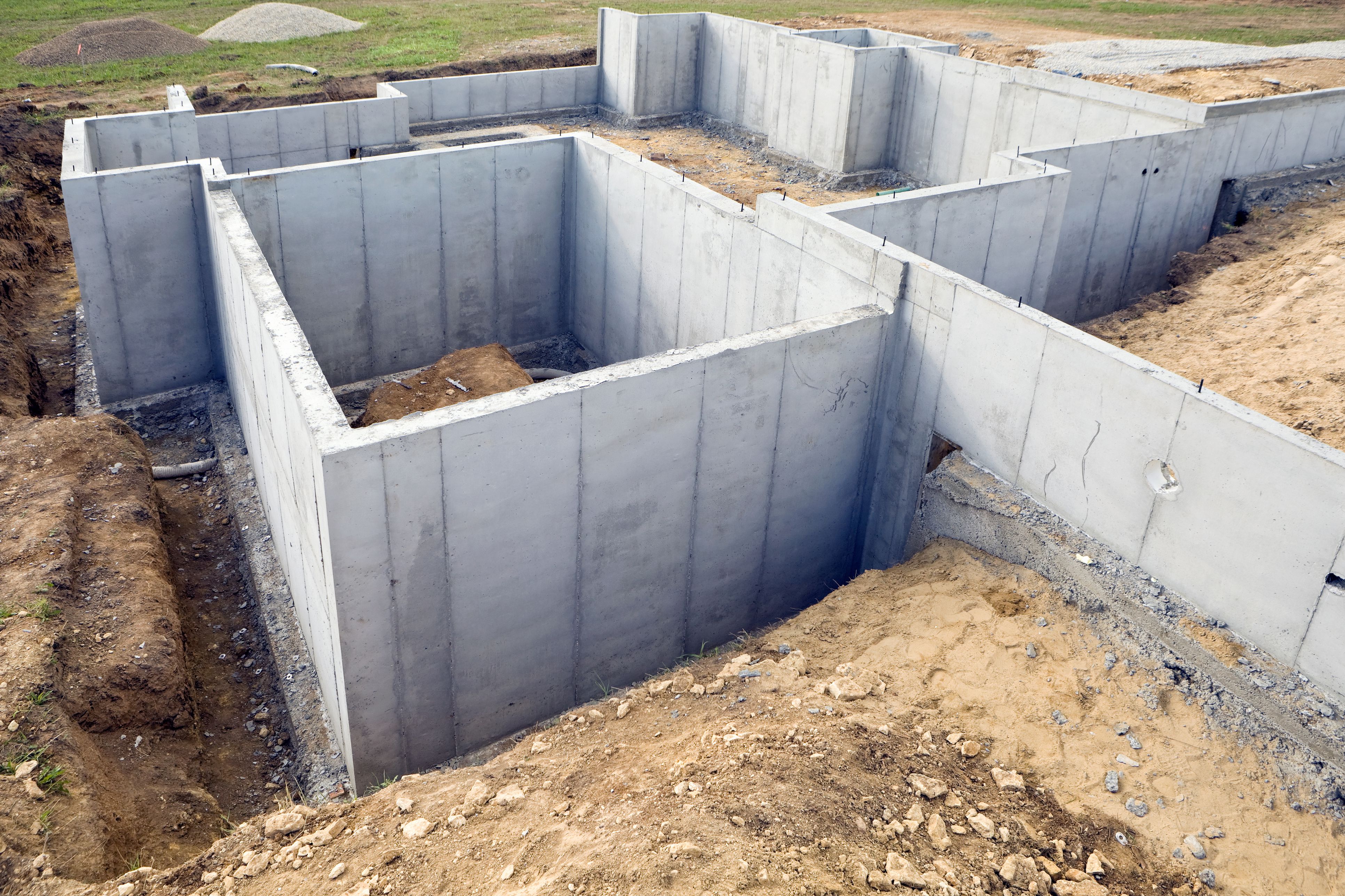
The basement walls are formed on top the footings and make use of the exposed rebars for strength. The formers for these walls are often dropped in from a truck and are stacked in a handy dandy crate with a big loop at the top so that the truck’s crane arm can just drop them into the hole in the ground. When the formers are finished with, they’re stacked back in the crates and lifted out, to be reused on another house. The second picture shows the formers in place, but those don’t look like the little modular things that I see being used. Either way, you can see the walls being formed. The third photograph shows the walls without the formers.
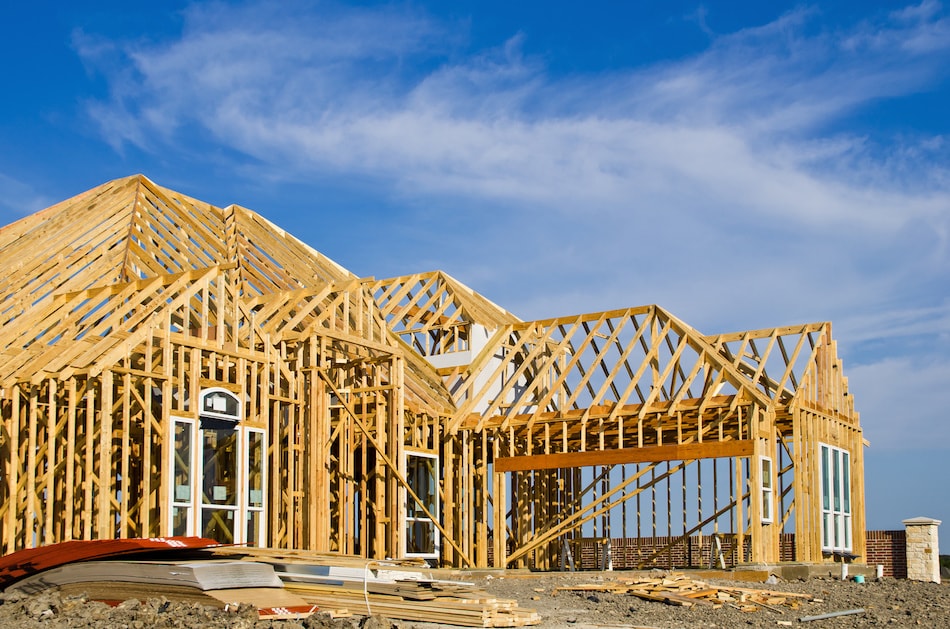
Once the basement is in, the house quickly goes up as a wooden frame. There’s sometimes some steel to hold up the floor on the ground floor (or first floor if you’re a North American), but other that it’s all wood. Wood is cheap here, probably cheaper than cinder blocks and bricks, and the house look skeletal as it’s going up, as the fourth picture shows. When the house is just a frame of wood like that, it’s really simple to install the services like water, waste water, electricity and gas. Internally the walls and ceilings are added using plasterboard, or drywall as it’s known here, and the floors are double sheets of plywood, that’s before any other surface like tiles or laminate flooring is added. Roofs are also interesting with the normal method being sheets of marine plywood that are nailed in place and are eventually covered with shingles, actually strips of roofing felt made to look a little like slates. The advantages of this this system are that they are cheap and come in a whole range of colours and styles, they’re also very light compared to European style clay or cement tiles, or even traditional slate. The disadvantage is that the shingles will need replacing every fifteen to twenty years, which is why steel roofs are becoming more popular, often fixed straight on top of the old shingles if it’s a retrofit, as they mostly are. Steel isn’t as light, but it comes in different styles and colours, too. Even steel, though, will need replacing eventually as it will rust in time.
The outer walls of the houses are thoroughly insulated before an external cladding is added, sometimes siding (wood, metal or vinyl), sometimes brick, usually a mixture of both. As I said before, the outer brickwork has little load bearing ability.
Windows were a bit of a shocker for me. As there isn’t much depth to the walls here, window sills don’t really exist. The windows themselves are usually double or triple glazed, although much to my surprise, many of the new houses being built are just single glazed, which is a travesty given how cold it can get here, and how important insulation is for keeping heating and cooling costs down.
Most new houses here are heated by forced air, pumped around ducts by a furnace in the basement. It’s not the most efficient method, but is easily switched to cooled air in the summer. Most heating furnaces will use Natural Gas to heat the air, and we haven’t really caught onto heat pumps yet.
Back in the basement, people use them for many things, including laundry, workspaces and a favourite here, TV and games rooms. Given that most of the basement is below ground level, they are ideal for cozy TV rooms, for sure. Many new houses are sold with “unfinished” basements, just the bare concrete walls and the service machinery, but you can “finish” them yourself to your own specification, which could include stud walls, carpets and the rest. It is possible to have someone live in the basement, assuming you can get waste water away effectively, although with new places, you need to include an escape route, and that can mean a lot of work for an already finished basement. Whatever you do down there, just make sure that you have an effective sump pump, and a backup should the power go out (as it so often does).
Your average North American new build is still significantly bigger than its counterparts in Europe, space being the key, I think. Mind you, they’re getting smaller here as well, which is more guided by profit per square foot than availability of land.
Which do I prefer? Well, North American house are bigger, and that basement is a plus, but they are comparatively flimsy and I doubt our house, now forty years old, will still be here in a hundred years’ time like so many of their more sturdy European counterparts. I don’t like the shingle or steel roofs here, but even quite major work on timber-build houses is quite cheap and easy. I don’t know, I’m happy wherever I’m living!
 Stevemayne's Blog