April 1977
I had been invited to an interview for a Clerical Officer’s job in Central London. I’m not giving any secrets away, given that this was almost fifty years ago, but it was with the Ministry of Defence. Where the job was in the MoD I had no idea, it was just a general vacancy, but I didn’t really care. My mum was quite keen for me to get on, and was more pleased than I was, I think, when I received the travel warrant for a train ticket to London.
I’d only been to London twice before, and never on my own, so it was quite the adventure getting the train, and then the Underground to Holborn, for my interview at Sentinel House.
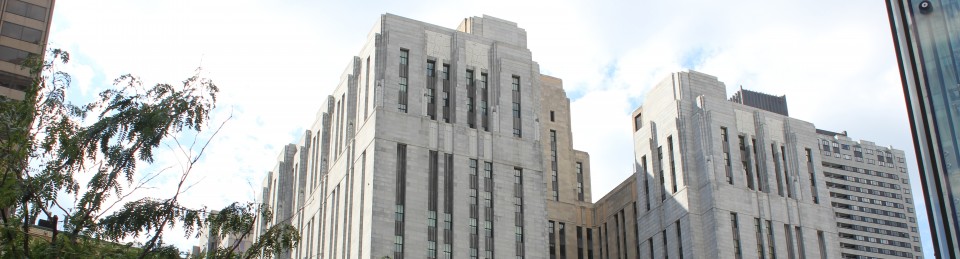
I didn’t know it then, but Sentinel House was the centre of the Civilian Management organisation for the Ministry. It was quite a smart looking, eight-storey block, all white and green on the outside. Inside it was calm and surprisingly quiet, which helped settle my nerves. For this interview I was wiser, and even as it progressed, I felt I was doing well. Indeed, I was on my way home as the powers that be called my home and told my mum that I had the job.
As an aside, Sentinel House still stands, but it’s bigger than it was, and is now a hotel!
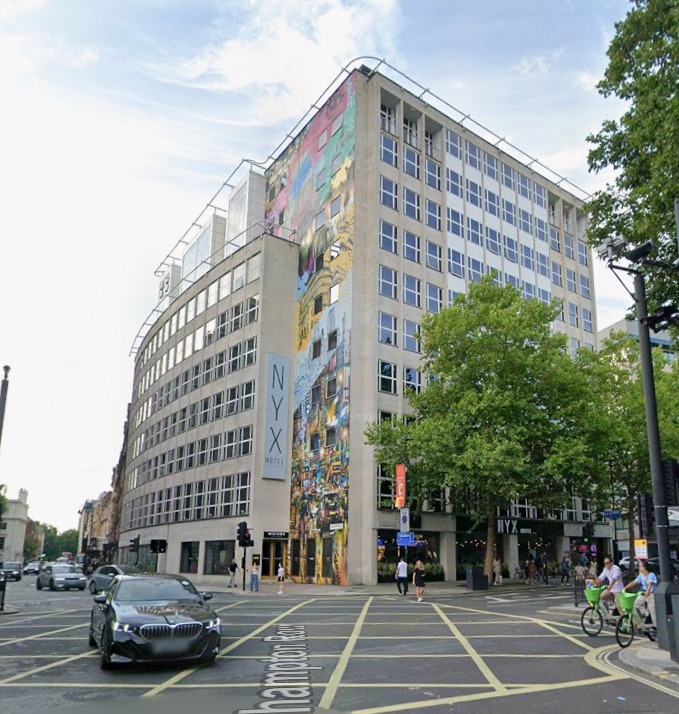
The administration was a wee bit taxing. More forms to complete, and I had to arrange some accommodation, which even then wasn’t easy in Central London. The Civil Service had a tie up with something called the London Hostels Association, and they organised a bed for me in a grand old house in Leinster Gardens, which is a very smart address in Bayswater, just a stone’s throw from the north side of Hyde Park. That’s all that was grand, though, as I was up in the roof and sharing a room with three other young men. We had a sink in the room as I remember, but toilet and bathing facilities were down the hallway and shared with many others. The hostel provided breakfast and an evening meal in the rent, but the food was dire. However, my room mates were fine, and it wasn’t so far removed from the boarding school I’d attended less than a year before.
On my room mates, only one of them was a Civil Servant, the others were a student from Ghana, and an office worker from Wood Green, and I never worked out why he didn’t want to stay at home rather than pay for the hostel.
It was just a short walk to Lancaster Gate Tube station, and on my first day in Town, a Sunday, I did a dry run on the Tube to Sentinel House, then had a wander around Oxford Street, although not before buying a Nicholson’s paperback A to Z street map book. I kept that book for decades.
Come my first working day, heading down into the Underground, I was struck by two things. One was the noise of the money going into the ticket machines in the street-level booking hall, and the other was the absolute absence of human voices once on the train. Absolutely no one spoke. This, I was to discover, was standard commuting practice.
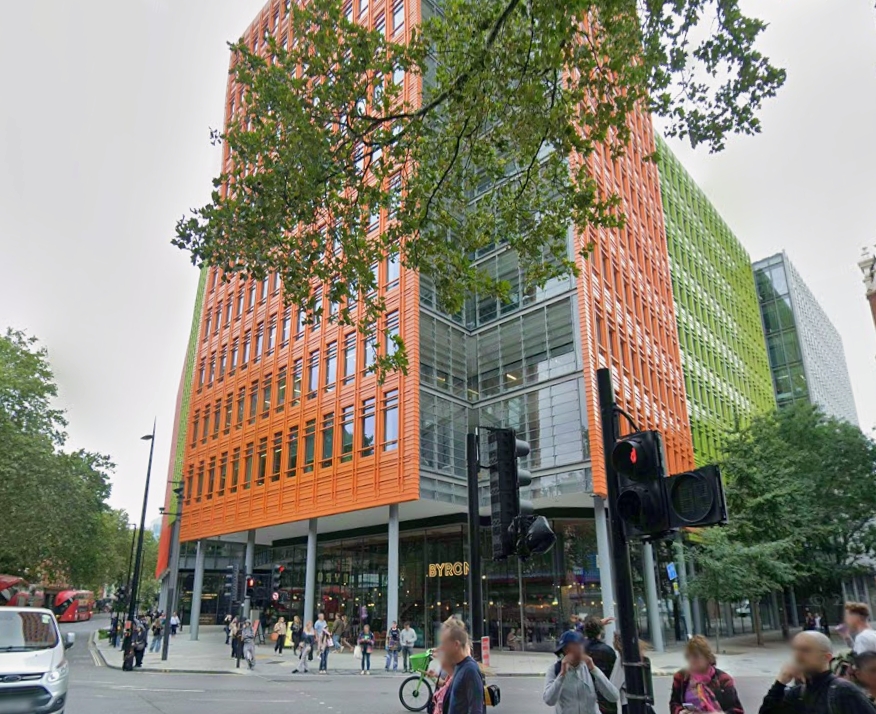
At Sentinel House I was given yet more paperwork, and told to report to somewhere called St. Giles’ Court, about a ten minute walk away in St. Giles’ High Street. I don’t know why, but I had an idea in my head that the building would be some baronial hall, or regency palace, but it was nothing of the sort. It was, in fact, a red-brick McAlpine office building, post-war, and although eight storeys high, looked squat because it was so huge. Inside was worse because it didn’t look as it had been painted since the 1950s, and there wasn’t a scrap of carpet on the floor, just a hard linoleum finish. So that was why Sentinel House was so quiet, it had carpets.
I took the lift to the eighth floor (there was a phone in the lift, with its own London 01 number), and reported to the registry of the Directorate of Strategic Electronic Radar, shortened to DSLR. Everything was an abbreviation the MoD, as I was soon to find out. But all that will be in the next episode, as the next chapter could go on a bit. I need to keep the chapters short to keep readers awake at least a little.
For the record, St Giles’ Court is no more, likewise Castlewood House, its mirror image building on New Oxford Street. Both have been demolished and replaced with new and exciting, er, office blocks.